

An SBR wastewater treatment package is one of the biological treatment methods based on activated sludge, in which the main treatment stages are carried out cyclically and on a timed basis. In this process, the wastewater enters the reactor, and the stages of filling, biological reaction, settling, effluent withdrawal, and preparation for the next cycle are carried out in sequence in one or several tanks.
SBR stands for Sequencing Batch Reactor. This process is suitable for projects that require a compact design, timed process control, operational flexibility, and a reduced need for multiple treatment units.
An SBR wastewater treatment package can be designed to treat domestic and sanitary wastewater and some biodegradable industrial effluents. Choosing this system must be based on the wastewater flow rate, the type of use, the inlet effluent quality, the project space, the fluctuation of the pollution load, and the required standard for the output effluent.
By reviewing the technical conditions of the project, the required capacity, the installation location, and the target output effluent quality, Poly Payesh designs and builds the SBR wastewater treatment package to suit the needs of each complex.
What Is the SBR System?
The SBR system is a type of activated sludge process that, unlike continuous systems, carries out the treatment stages sequentially and within defined time intervals.
In continuous activated sludge systems, the wastewater continuously enters various units such as the aeration tank, the secondary clarifier, and the sludge return section. But in the SBR process, the major part of the treatment stages is carried out in a single reactor, and the system’s time schedule determines what operation is performed at each moment.
Typically, an SBR cycle includes the following stages:
- Filling the tank with wastewater
- Mixing and biological reaction
- Aeration if needed
- Sludge settling
- Withdrawal of the treated effluent
- Preparation for the next cycle
This structure means that in many designs, the need for a separate secondary clarifier is reduced or eliminated, because the settling stage is carried out in the same reactor.
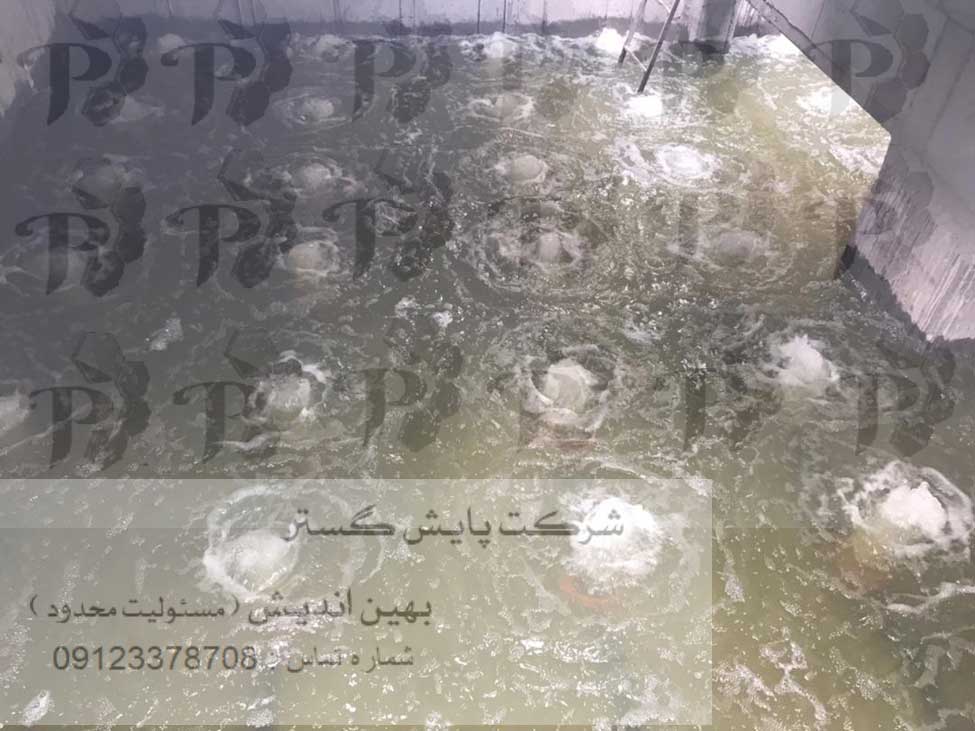
How Does an SBR Wastewater Treatment Package Work?
The operation of the SBR package is based on controlling the treatment cycles. The electrical panel, timer, or PLC manages the timing and order of operation of equipment such as the blower, mixer, inlet pump, sludge pump, and decanter.
In a conventional design, the wastewater enters the reactor. Then, according to the defined program, the tank goes through the stages of mixing, aeration, biological reaction, and settling. After the sludge settles, the clearer effluent is withdrawn from the upper part of the tank.
The number of reactors, the duration of each cycle, the useful volume of the tank, the type of aeration, and the method of effluent withdrawal must be determined in proportion to the project capacity, the inlet flow rate, the wastewater quality, and the operating conditions.
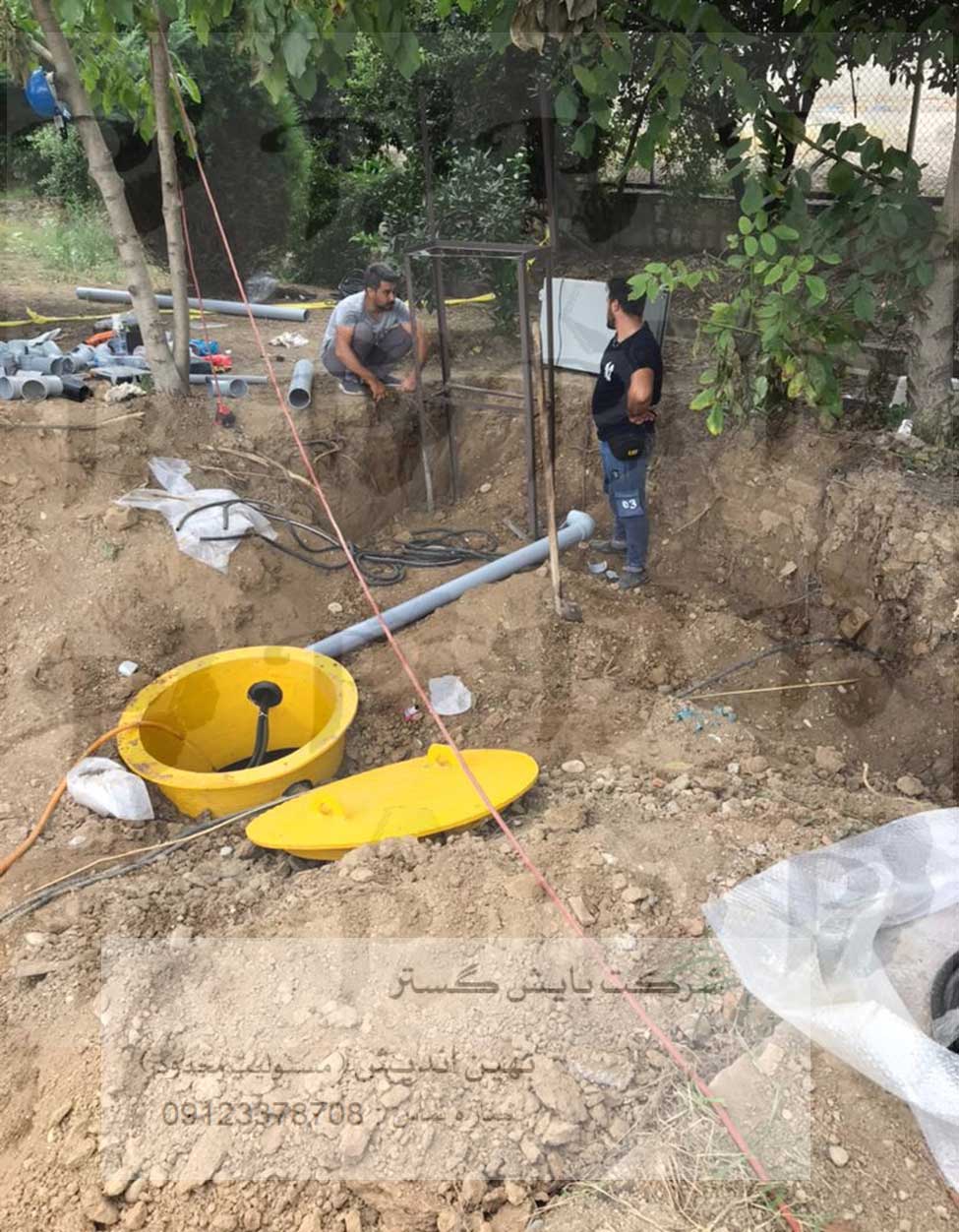
Operating Stages of the SBR Wastewater Treatment Package
1. Fill Stage
In the fill stage, the raw wastewater enters the SBR tank. The wastewater can enter in a controlled continuous manner, in batches, or through an equalization tank.
In this stage, depending on the process design, the tank may be in a non-aerated, limited-mixing, anoxic, or aerobic condition.
The purpose of the fill stage can include the following:
- Controlled entry of wastewater into the reactor
- Reducing hydraulic shock
- Creating suitable conditions for starting the biological process
- Providing enough time for the reaction of the microorganisms
- Preparing for the removal of organic matter or nitrogen compounds
In projects where the wastewater enters continuously, an equalization tank or more than one SBR reactor may be needed so that the treatment process is carried out without disruption.
2. React Stage
The react stage is the main part of the treatment in the SBR package. In this stage, the conditions necessary for the activity of the microorganisms are provided.
In the aerobic mode, the blower and diffuser supply the oxygen required by the bacteria. The aerobic bacteria consume part of the decomposable organic matter present in the wastewater and help reduce BOD and COD.
With proper design, this stage can be planned as a combination of aeration and non-aerated mixing so that the following processes can be controlled:
- Decomposition of organic matter
- Reducing BOD
- Reducing decomposable COD
- Nitrification and conversion of ammonia to nitrate
- Denitrification and helping remove nitrogen
- Controlling the biological conditions of the activated sludge
- Improving the output effluent quality
The duration of the react stage depends on the wastewater flow rate, the pollution load, the treatment goal, the type of aeration, the required effluent quality, and the operating conditions.
3. Settle Stage
In the settle stage, aeration and mixing are stopped so that calm conditions are created inside the tank.
At this time, the activated sludge and suspended particles settle to the bottom of the tank by gravity, and the upper part of the tank gradually becomes clearer.
The quality of the settle stage plays an important role in the clarity of the output effluent. Factors such as the condition of the activated sludge, the settling time, the fluctuation of the pollution load, the composition of the wastewater, and the design of the tank can affect the performance of this stage.
4. Decant Stage
After the sludge settles, the treated effluent is withdrawn from the upper part of the tank. This is usually done using a decanter.
The decanter must be designed and installed in such a way that, during effluent withdrawal, the sludge settled at the bottom of the tank is not disturbed and does not enter the output flow.
Depending on the required quality, the withdrawn effluent can enter one of the following sections:
- Disinfection system
- Effluent storage tank
- Sand or carbon filter
- Supplementary treatment
- Green-space irrigation network, if it complies with the standard
- Permitted discharge route
5. Idle Stage
The idle stage is the time interval between the end of effluent withdrawal and the start of the next cycle.
In this stage, depending on the project design, the following operations may be carried out:
- Adjusting the tank level
- Discharging part of the excess sludge
- Preparing the equipment for the next cycle
- Controlling the operating conditions
- Checking the system’s alarms and faults
- Adjusting the process timing
Managing the excess sludge in the SBR system is very important, because the amount of sludge inside the reactor must be controlled in proportion to the process design.
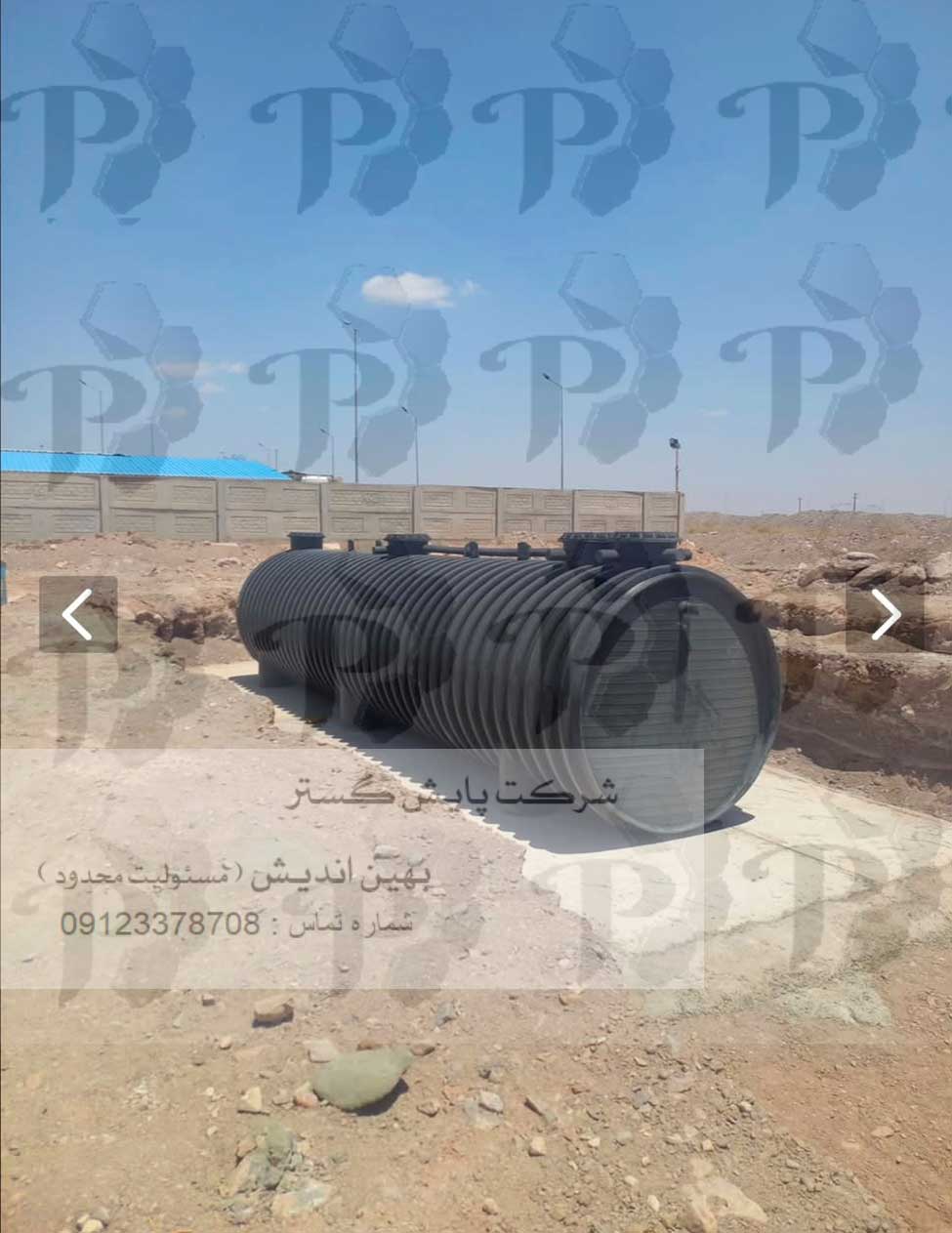
Main Components of the SBR Wastewater Treatment Package
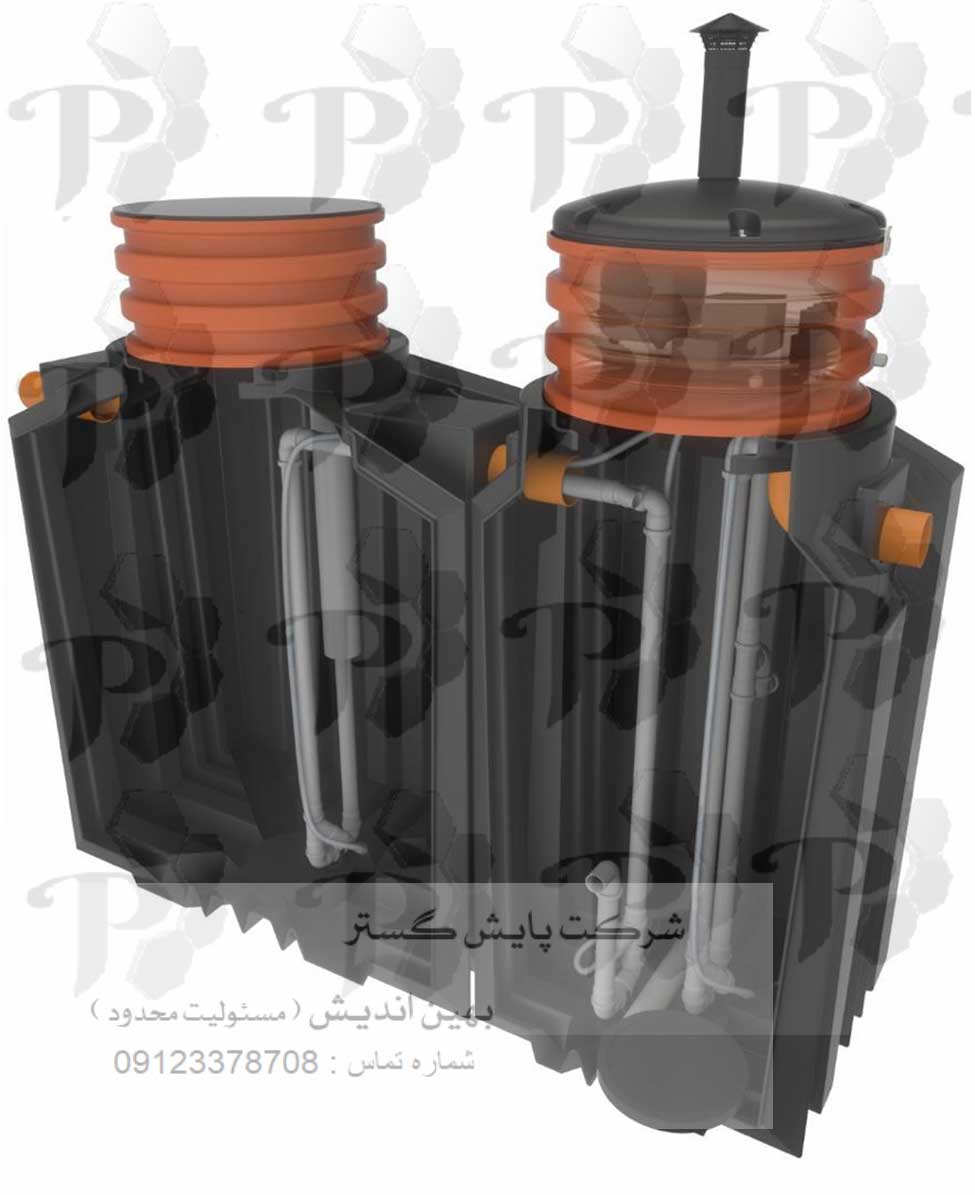
The equipment of the SBR package is selected according to the type of wastewater, the project capacity, the operating conditions, and the output standard. A conventional package can include the following equipment:
- Screen (trash rack) and pre-treatment equipment
- Equalization tank if needed
- SBR tank or reactor
- Aeration blower
- Fine-bubble diffusers
- Air piping and distribution system
- Submersible mixer if needed
- Effluent decanter
- Wastewater transfer pump
- Excess sludge discharge pump
- Airlift or the pumps required by the process
- Disinfection system
- Effluent storage tank if needed
- Electrical panel
- PLC or timing control system
- Level sensor, float, flow meter, and instrumentation equipment
- Alarm system and equipment protection
- Inspection manhole, vent, and inlet and outlet piping
- Sewage pumping station, if gravity inflow is not possible
The Role of the PLC in the SBR Wastewater Treatment Package
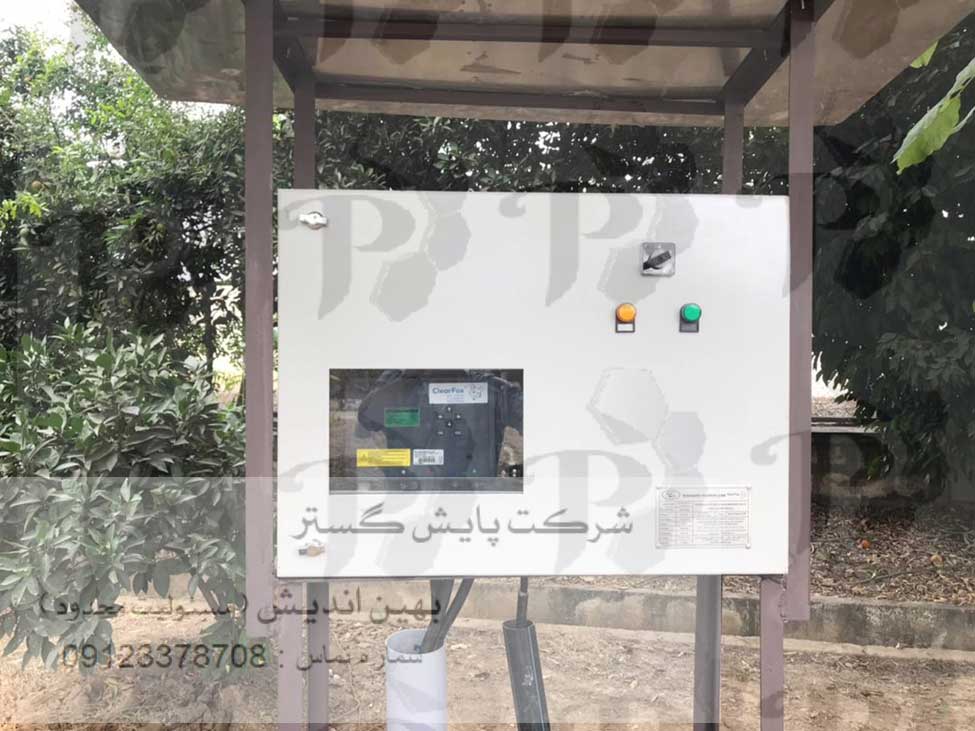
Precise timing control is one of the important parts of the SBR process. In many projects, an electrical panel equipped with a PLC or programmable controller is used to manage the cycles.
The PLC can perform the following tasks:
- Controlling the tank filling time
- Managing the aeration time
- Turning the blowers on and off
- Controlling the mixers
- Controlling the inlet and outlet pumps
- Managing the decanter operation
- Controlling the tank level
- Recording alarms and faults
- Preventing tank overflow
- Preventing dry running of the pumps
- Controlling the washing or maintenance cycles
- The ability to adjust the operating program based on the project conditions
Using an industrial PLC can help reduce the system’s dependence on manual control and increase the precision of executing the treatment stages. The type of PLC and the level of automation must be chosen according to the scale of the project and the operator’s needs.
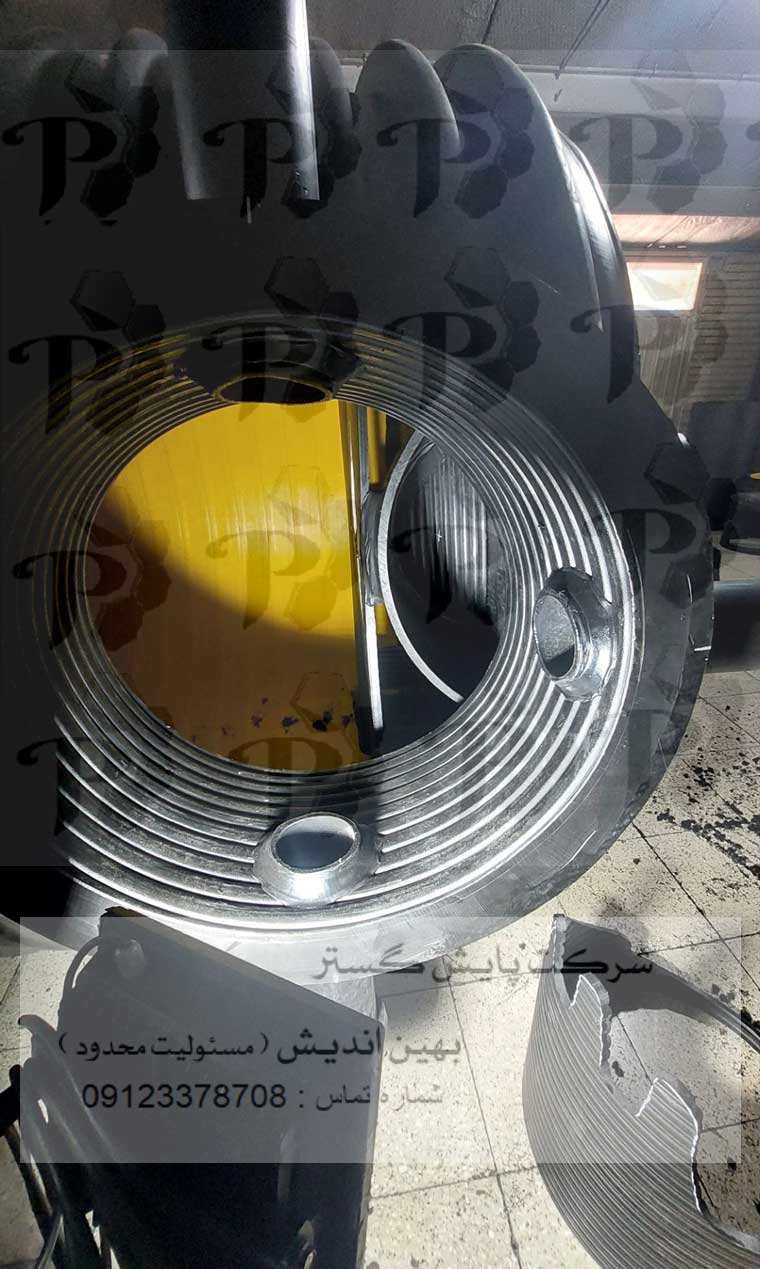
Advantages of the SBR Wastewater Treatment Package
The SBR package can have the following advantages in suitable projects:
- Carrying out the main treatment stages in a single reactor or a limited number of tanks
- A more compact design than some continuous systems
- Reducing the need for an independent secondary clarifier in many designs
- The ability to control the process with precise timing
- The ability to adjust the aeration and mixing periods
- The possibility of designing for the reduction of organic matter
- The possibility of designing for nitrification and denitrification
- Suitable for projects with variable flow, if designed correctly
- The possibility of execution in polyethylene, metal, fiberglass, or concrete packages
- The ability to be used in residential, accommodation, office, workshop, and some industrial projects
- The ability to be equipped with an automation and smart control system
- The ability to be combined with pre-treatment and supplementary treatment units
- The possibility of a buried or above-ground design according to the project conditions
Limitations and Important Points in Choosing SBR
The SBR package is not the best option for every project. Choosing this process must be done with a careful review of the project conditions.
The important points in choosing SBR are:
- The system’s performance depends on the correct timing of the cycles.
- The decanter must be designed and operated correctly.
- In projects with a continuous inlet flow, an equalization tank or several reactors may be needed.
- The blower, diffuser, pumps, and control equipment require periodic servicing.
- Severe changes in the wastewater quality can affect the performance of the activated sludge.
- The entry of a lot of fat, toxic substances, solvents, corrosive chemicals, or inhibitory substances can reduce the biological performance.
- In industrial wastewaters, suitable pre-treatment is very important.
- The operator must be familiar with how to control the cycles, manage the sludge, and monitor the system’s performance.
- A long-term power outage can affect the performance of the aerobic process.
- In sensitive projects, providing emergency power can be considered.
- Reuse of the effluent can be decided only after reviewing the output quality and its compliance with the relevant standard.
The Difference Between SBR and Continuous Activated Sludge
In the continuous activated sludge system, the wastewater continuously passes through units such as the aeration tank and the clarifier.
But in SBR, the process is carried out in one or several reactors cyclically. The stages of aeration, settling, and effluent withdrawal are carried out in sequence and based on a time schedule.
In short:
- Continuous activated sludge: continuous flow and separate units
- SBR: a cyclical, timed process with the stages concentrated in a single reactor
The choice between these two methods must be based on the project capacity, the flow fluctuation, the available space, the operating level, the execution cost, and the required effluent quality.
The Difference Between SBR and EAAS (Extended Aeration)
In the EAAS extended aeration system, the process is usually carried out continuously in the aeration tank and the secondary settling tank.
But in SBR, aeration, settling, and effluent withdrawal are controlled in sequential cycles.
SBR can be an option to consider for projects that require flexibility in process timing and a compact design. EAAS is also used in many domestic and sanitary projects due to its relatively simple structure and continuous operation.
The Difference Between SBR and MBBR
In MBBR, the main treatment is carried out on the basis of biofilm formed on floating media.
But in SBR, the process is mainly based on suspended activated sludge and the control of time cycles.
In short:
- SBR: activated sludge and cyclical treatment
- MBBR: biofilm on floating media and a usually continuous process
The choice between these two systems must be based on the type of wastewater, the project space, the flow fluctuation, the need for nitrogen control, the operating conditions, and the output standard.
The Difference Between SBR and MBR
In SBR, the separation of sludge and effluent is carried out through gravity settling inside the reactor.
But in MBR, a membrane is used to separate the treated water and the sludge. For this reason, MBR usually produces higher-quality effluent, but its initial cost, energy consumption, and operating requirements are greater.
SBR can be suitable for projects that need a compact and more economical biological system. MBR is considered more for projects where effluent quality and the possibility of water recycling are of higher importance.
Applications of the SBR Wastewater Treatment Package
The SBR wastewater treatment package can be used in various projects, including:
- Residential complexes
- Villa towns
- Office buildings
- Towers and construction projects
- Hotels and lodges
- Schools and educational centers
- Hospitals and medical centers, after a technical review
- Workshop camps
- Civil construction projects
- Tourism complexes
- Temporary or seasonal projects
- Towns and semi-centralized complexes
- Restaurants and service complexes, after reviewing the type of wastewater
- Some industries with biodegradable effluent
- Projects facing fluctuation in flow rate or pollution load
In industrial projects, choosing SBR must be done after reviewing parameters such as COD, BOD, TSS, fat, oil, pH, temperature, nitrogen compounds, inhibitory substances, and the output effluent standard.
Polyethylene SBR Package
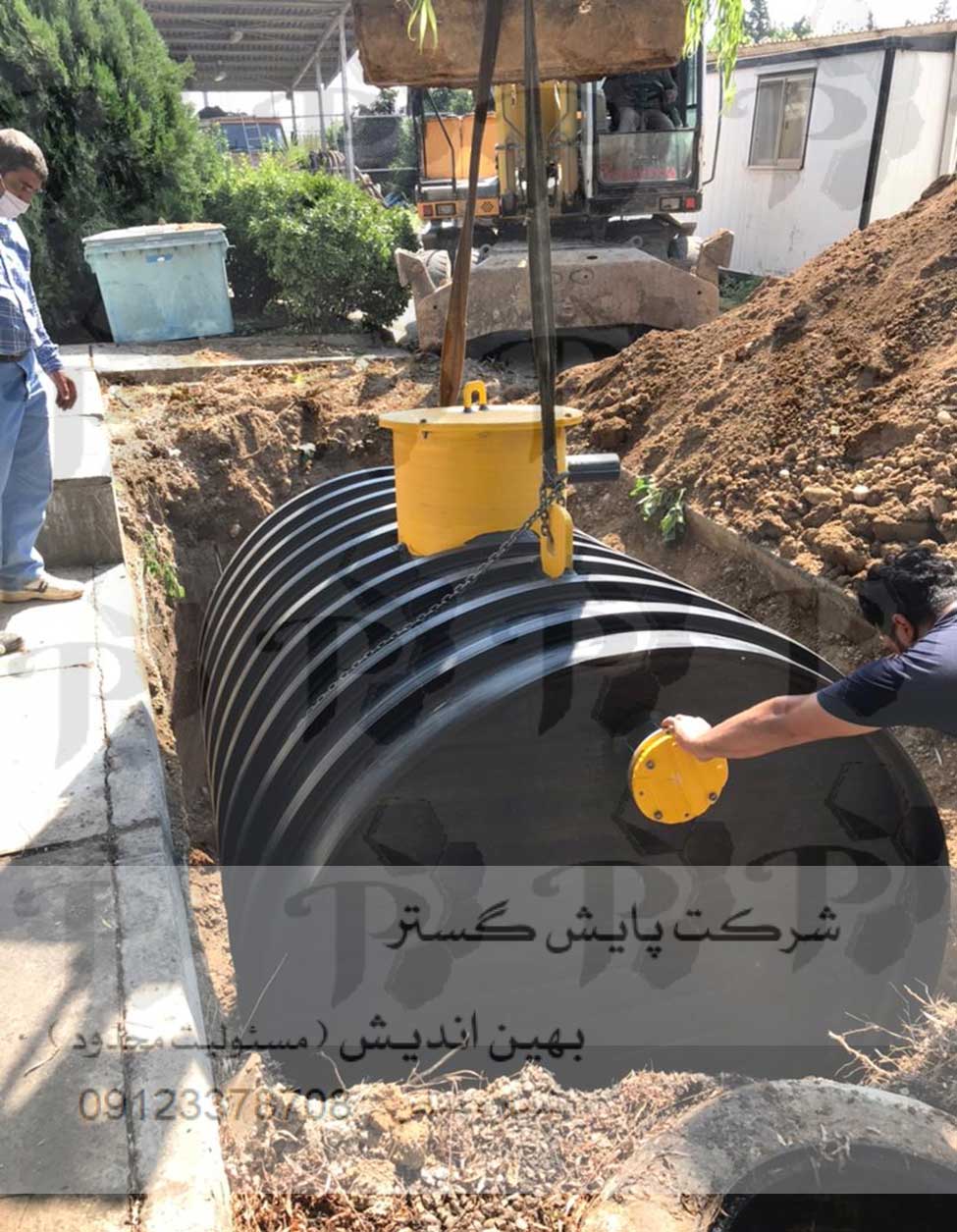
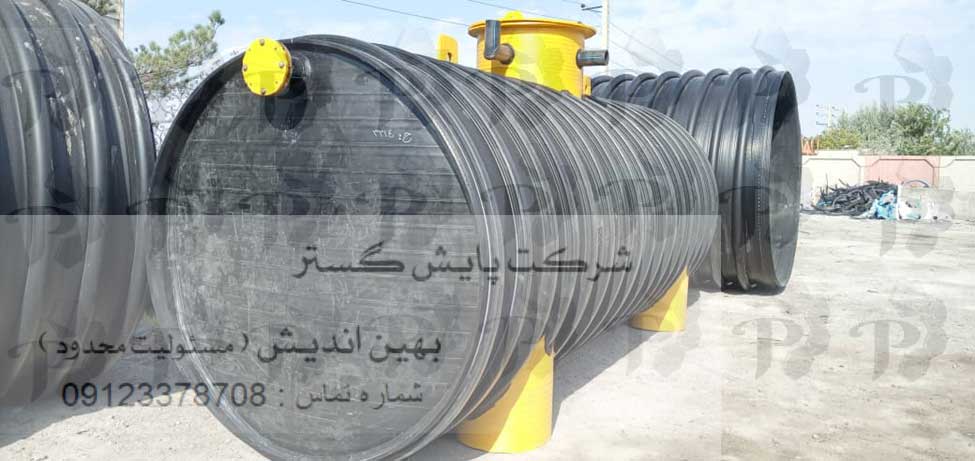
An SBR wastewater treatment package can be designed and built with a polyethylene body in suitable projects.
Using polyethylene tanks in suitable conditions can provide advantages such as resistance to corrosion, lower weight, easier transport, and good installation speed.
The polyethylene model can be executed in a buried or above-ground form; but the choice of installation location and execution method must be based on the soil conditions, the groundwater level, the applied loads, access for servicing, the project space, and the execution requirements.
For more details, read the page “Polyethylene Wastewater Treatment Package.”
Design of the SBR Wastewater Treatment Package
Designing an SBR package must be based on the real information of the project. The most important data required include the following:
- The average and maximum wastewater flow rate
- The type of use of the project
- The number of users
- The levels of BOD, COD, and TSS
- The amount of ammonia and nitrogen compounds
- The fat, oil, and grease present in the wastewater
- The pH and its fluctuations
- The temperature of the wastewater
- The operating hours of the complex
- The flow fluctuation over the day and night
- The space available for installation
- The need for buried or above-ground installation
- The required quality of the output effluent
- The need for disinfection or supplementary treatment
- The electrical and operating conditions
- The possibility of future capacity expansion
Based on this information, the reactor volume, the number of cycles, the duration of each stage, the blower capacity, the type of diffuser, the decanter design, the control equipment, the disinfection, and the supplementary units are selected.
How Is the Capacity of the SBR Wastewater Treatment Package Determined?
The capacity of the SBR package is not determined by the number of people or the building’s area alone. The following factors play a role in determining the capacity:
- The daily and peak instantaneous wastewater flow rate
- The pollution load of the inlet wastewater
- The type of use of the project
- The volume required for each cycle
- The number of treatment cycles over the day and night
- The time for filling, reaction, settling, and effluent withdrawal
- The required quality of the output effluent
- The need for nitrogen removal or supplementary treatment
- The flow and pollution-load fluctuation
- The project space
- The possibility of future expansion
Designing below the real capacity can cause increased loading, reduced time for settling, and a drop in effluent quality. Over-design also increases the investment and operating cost.
What Factors Does the Price of the SBR Wastewater Treatment Package Depend On?
The price of the SBR package depends on the technical specifications of the project, and an exact price cannot be given without reviewing the real information.
The most important factors affecting the price are:
- The package capacity in cubic meters per day
- The type and quality of the inlet wastewater
- The volume and material of the tank
- Whether the system is buried or above-ground
- The number of reactors
- The blower capacity and the type of diffuser
- The type of decanter
- The transfer and sludge discharge pumps
- The electrical panel and the level of automation
- The type of PLC and control equipment
- The need for an equalization tank
- The need for a grease trap, screen, or pre-treatment
- The need for disinfection and supplementary treatment
- The need for an effluent storage tank
- The transport, installation, piping, and commissioning conditions
- The need for emergency power or protective equipment
To request an exact price, information such as the wastewater flow rate, the type of use, the effluent analysis, the project location, the installation space, and the required output effluent quality must be reviewed.
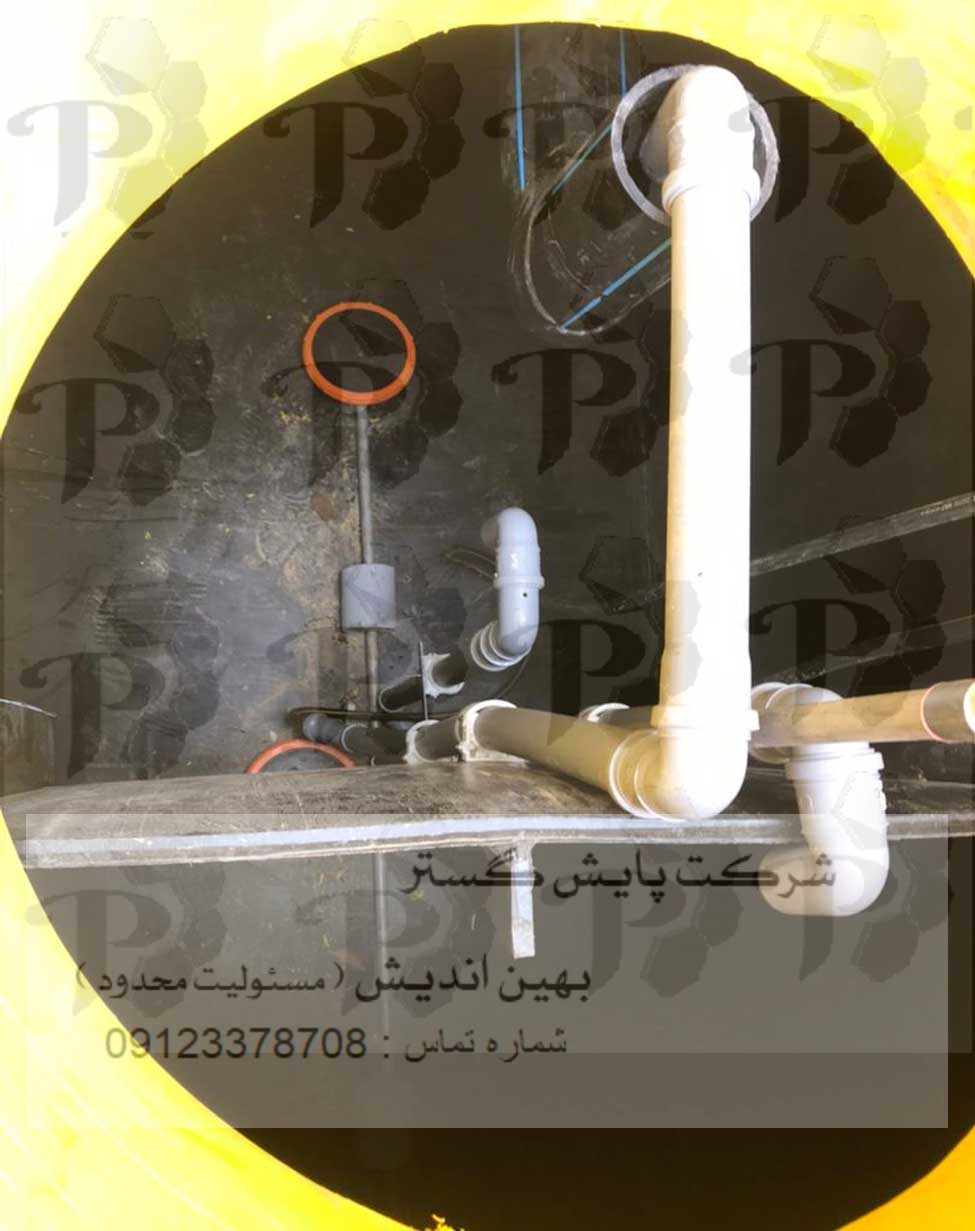
Design and Construction of the SBR Package by Poly Payesh
By reviewing the specifications of the project, Poly Payesh designs and builds the SBR wastewater treatment package to suit the real needs of the complex.
In the design stage, the following are reviewed:
- The quality and type of the inlet wastewater
- The flow rate and its fluctuations
- The required capacity
- The type of use of the project
- The space available for installation
- The need for an equalization tank
- A suitable schedule of the treatment cycles
- The aeration, decanter, and control equipment
- The need for supplementary treatment or disinfection
- The operation and maintenance conditions
- The possibility of buried or above-ground execution
- The possibility of future capacity expansion
The goal is to provide a system that, in addition to meeting the required effluent quality, is also aligned with the project’s conditions in terms of execution cost, operation, energy consumption, and maintainability.
To receive specialized consultation, a technical review of your project, and a price quote for the SBR wastewater treatment package, get in touch with the experts at Poly Payesh.
Frequently Asked Questions About the SBR Wastewater Treatment Package
What is SBR?
SBR stands for Sequencing Batch Reactor. This process is a biological treatment method based on activated sludge that carries out the treatment stages cyclically and on a timed basis in one or several reactors.
What are the main stages of SBR?
The main stages include filling, reaction or aeration, settling, effluent withdrawal, and preparation for the next cycle.
Does the SBR package need a secondary clarifier?
In many SBR designs, settling is carried out inside the same reactor, and the need for a separate secondary clarifier is reduced or eliminated. Nevertheless, the final design depends on the project conditions.
Is SBR suitable for domestic wastewater?
Yes. SBR can be used to treat domestic and sanitary wastewater in residential complexes, villas, hotels, office buildings, educational centers, and workshop camps.
Is SBR applicable for industrial wastewater?
For some biodegradable industrial wastewaters, SBR can be considered. In wastewaters with a lot of fat, chemicals, heavy metals, toxic substances, or inhibitory compounds, pre-treatment or complementary processes may be necessary.
What is the role of the decanter in the SBR package?
The decanter is responsible for withdrawing the clear effluent from the upper part of the tank after the sludge settles. The correct operation of the decanter is very important for maintaining the output effluent quality.
Is SBR suitable for projects with variable flow?
With correct design, choosing a suitable tank volume, proper scheduling of the cycles, and using an equalization tank if needed, SBR can be considered for projects with flow fluctuation.
What information is needed to request a price for the SBR package?
The type of use, the number of people, the wastewater flow rate, the effluent analysis, the levels of BOD and COD, the installation space, the buried or above-ground conditions, the type of available power, and the required output effluent quality are important pieces of information for design and price inquiry.