

The vertical polyethylene tank is an upright cylindrical tank for storing water, industrial fluids, agricultural water, process water, and chemicals compatible with polyethylene. Due to its smaller footprint, this model is suitable for projects that need to store a considerable volume of fluid in a more limited space.
The vertical tank is usually installed on the ground, a concrete foundation, an industrial platform, or suitable flooring. The choice of capacity, diameter, height, body thickness, location of the fittings, and auxiliary equipment must be made with attention to the height of the fluid column, the environmental conditions, and the type of application.
Poly Payesh designs and supplies the vertical polyethylene tank to suit the needs of building, industrial, agricultural, and utility projects.
What Is a Vertical Polyethylene Tank?
A vertical polyethylene tank is a tank with a cylindrical form and a vertical axis, designed for storing fluid on the ground surface.
In this model, the greatest hydrostatic pressure is created at the bottom of the tank. The greater the fluid height, the greater the pressure applied to the lower sections of the body. For this reason, the design of the vertical tank must be based on the height, the capacity, the type of fluid, the frequency of filling and emptying, and the operating conditions.
The cylindrical form of the vertical tank helps distribute the stress more uniformly in the body and has fewer stress-concentration points than tanks with corners.
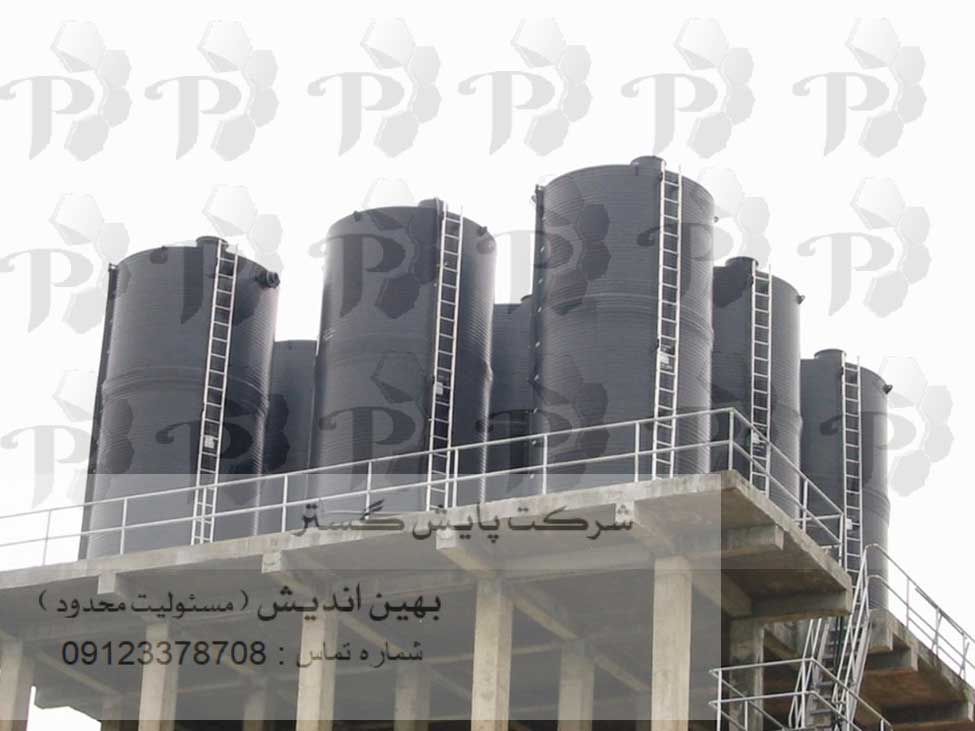
Applications of the Vertical Polyethylene Tank
- Water storage tank for buildings and towers
- Drinking-water tank, if suitable raw materials and design are used
- Storing agricultural and greenhouse water
- Firefighting water tank
- Storing process water in industries
- Liquid raw-material tank
- Treated-effluent storage tank
- Tank needed by treatment plants
- Water storage tank in civil construction projects
- Industrial units and factories
- Livestock and poultry farms
- Storage tank for chemicals compatible with polyethylene
For storing chemicals, the chemical compatibility, the concentration, the temperature, the vapor pressure, the type of fittings, and the need for a vent or safety equipment must be reviewed.
Advantages of the Vertical Polyethylene Tank
- Smaller footprint than the horizontal model
- Suitable for limited industrial and urban spaces
- The ability to store a large volume in a smaller space
- Suitable access to the upper part of the tank
- Suitable for installation on a foundation or industrial platform
- Suitable resistance to corrosion and rusting
- Lower weight than many metal and concrete tanks
- The ability to connect to level-measurement equipment
- The ability to be equipped with a ladder, access platform, and guard
- The ability to be designed in various capacities
- Suitable for water, industrial fluids, and agricultural applications
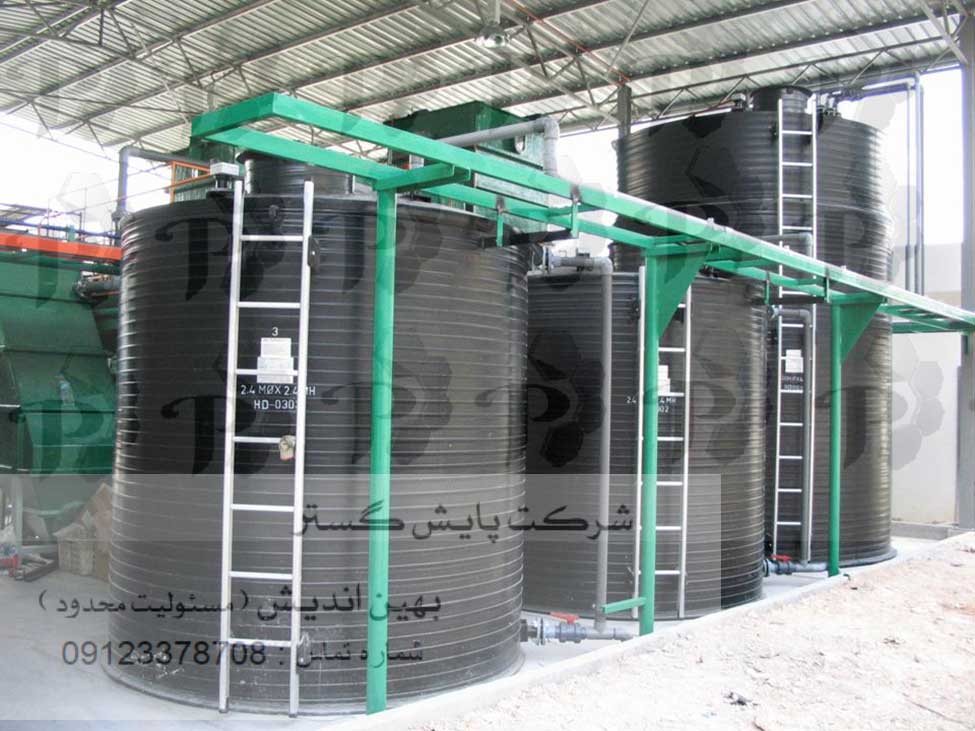
Main Components of the Vertical Polyethylene Tank
Cylindrical Body
The body must be designed based on the capacity, the fluid height, the internal pressure, and the environmental conditions. In larger industrial tanks, the uniformity of the body and the suitable design of the fittings are very important.
Tank Bottom
The tank bottom withstands the greatest pressure caused by the fluid column. The type of foundation and the levelness of the installation location have a direct effect on the performance of the bottom.
Inlet and Outlet Nozzles
The installation location of the nozzles must be consistent with the piping route, the type of fluid, and the operating method. The piping must not transfer extra weight or stress to the tank wall.
Manhole
The manhole is used for inspection, cleaning, servicing, and internal control of the tank.
Vent
In many tanks, a vent is needed for the intake and discharge of air, preventing a vacuum or pressure increase, and controlling possible vapors.
Level Sensor and Control Equipment
The vertical tank can be equipped with a float, a level sensor, a level indicator, an overflow alarm system, an electrical panel, and pump control.
Installation Points for the Vertical Polyethylene Tank
- Installation on a completely level, uniform surface
- Using a suitable foundation or flooring
- Preventing a local slope beneath the tank bottom
- Controlling the piping load and preventing the transfer of stress to the nozzles
- Maintaining suitable distance for inspection and servicing
- Providing a ladder and access platform for tall tanks
- Protecting against mechanical impact
- Reviewing sunlight and environmental conditions
- Controlling the filling and emptying of the tank in automatic systems
- Providing an overflow and emergency-discharge route if needed
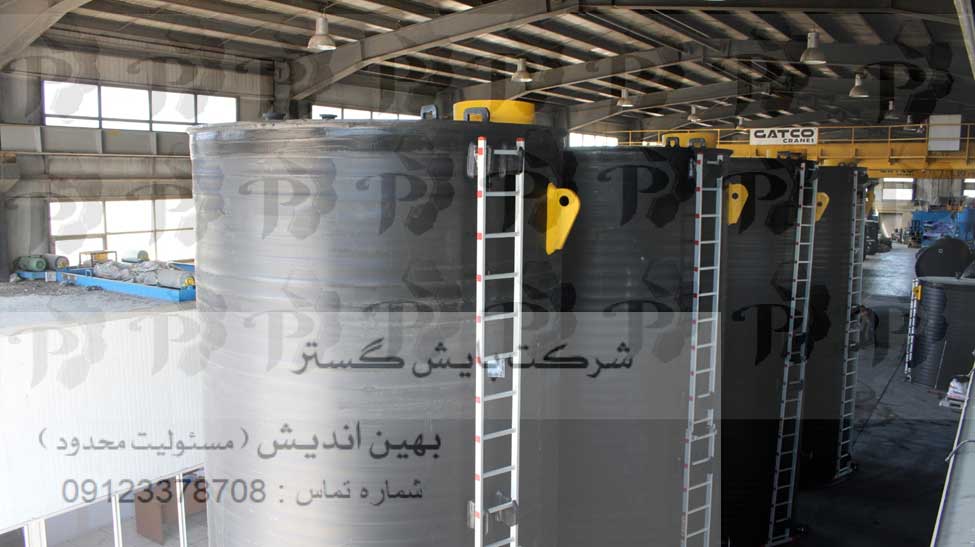
The Difference Between Vertical and Horizontal Tanks
The vertical tank has a smaller footprint and a greater height. The horizontal tank occupies more area but has a lower height.
The vertical model is more suitable for limited spaces and storing a large volume on the ground surface. The horizontal model can be considered for projects with height limitations, suitable longitudinal space, or a need for installation on a chassis and base.
The Vertical Polyethylene Tank for Drinking Water
The vertical tank can be used for storing drinking water, but the following must be reviewed:
- Using sanitary-grade raw materials
- The suitability of the structure and fittings for drinking water
- The possibility of cleaning and servicing
- Preventing the entry of contamination
- A suitable lid and manhole design
- Controlling sunlight and the increase in water temperature in the open air
- Observing the project’s regulations and the required standards
Capacity of the Vertical Polyethylene Tank
The capacity of the vertical tank depends on the following factors:
- The daily or periodic consumption
- The inflow and outflow rate
- The required storage duration
- The usable space
- The permissible height of the installation location
- The type of fluid
- The internal pressure caused by the height of the fluid column
- The need for several parallel tanks
- The possibility of future project expansion
- Budget and operating limitations
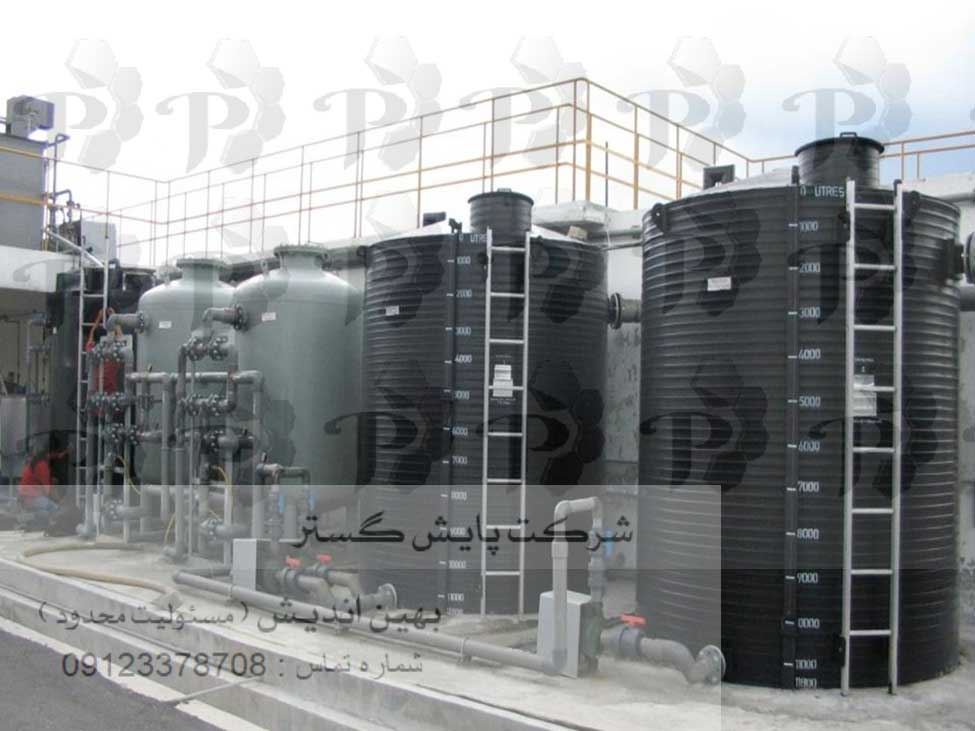
Price of the Vertical Polyethylene Tank
The price of the vertical tank depends on the following:
- The capacity
- The diameter and height
- The type of raw material and body structure
- The number and type of nozzles
- The type of manhole
- The level-gauging equipment
- The need for a vent
- The need for a ladder and access platform
- The type of fluid
- The environmental and installation conditions
- The need for control equipment or connection to a pump
To receive consultation and a price quote for the vertical polyethylene tank, get in touch with the experts at Poly Payesh.
Frequently Asked Questions About the Vertical Polyethylene Tank
What space is the vertical polyethylene tank suitable for?
For buildings, factories, industrial and agricultural projects, and spaces that have a limited footprint.
Is the vertical tank suitable for drinking water?
If sanitary-grade materials are used, along with a suitable design and observance of the relevant regulations, it can be considered.
Does the vertical tank need a foundation?
Yes, it usually must be installed on a level, uniform surface suited to the weight of the full tank.
Is the vertical tank suitable for chemicals?
It can be used for materials compatible with polyethylene, but the choice of tank must be made after reviewing the chemical compatibility, the concentration, the temperature, and the operating conditions.