

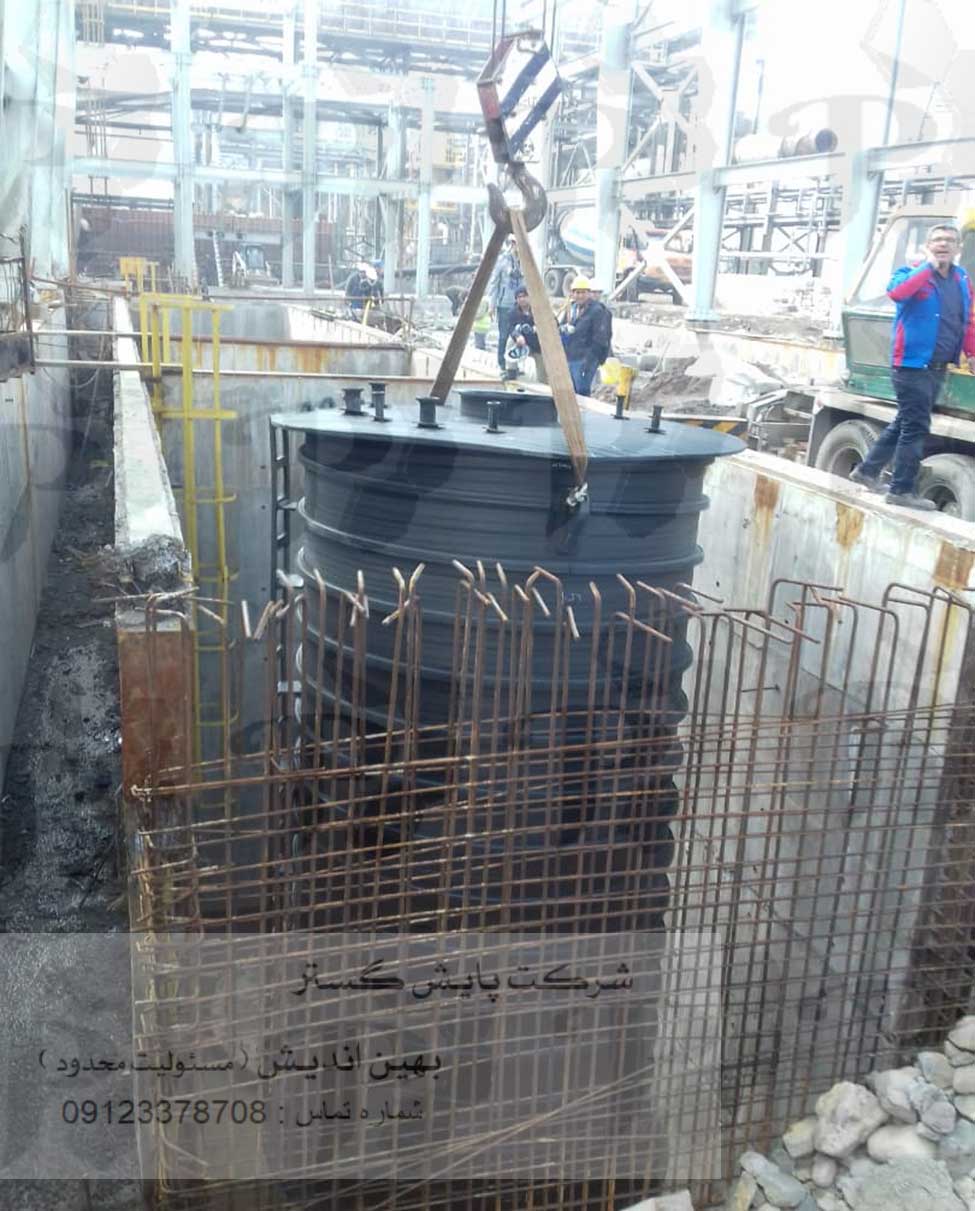
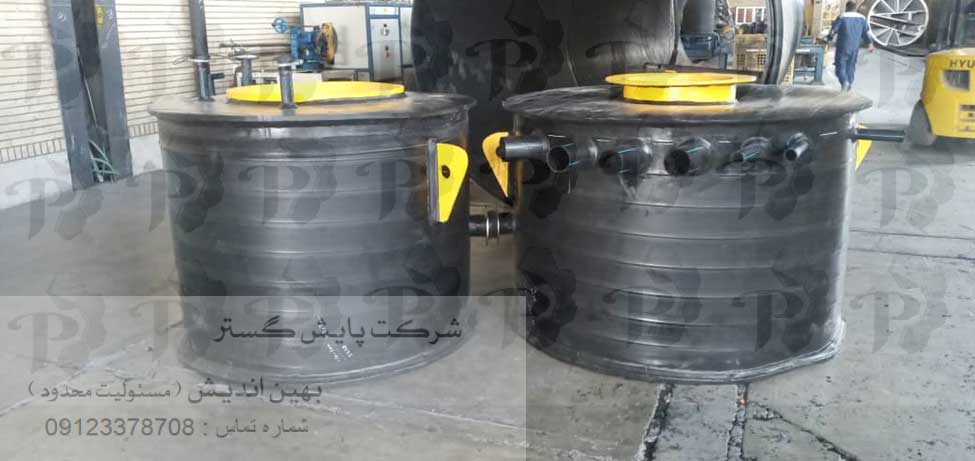
The vertical polyethylene septic tank is a prefabricated system for the primary treatment of domestic and sanitary wastewater that is designed in an upright form. This model is suitable for projects that have footprint limitations, where the plot is narrow, or where using a horizontal septic tank is not possible due to a lack of longitudinal space.
In a vertical septic tank, after the wastewater enters the tank, it undergoes the process of settling, the separation of floating materials, and the anaerobic digestion of part of the organic matter. The output effluent is a semi-treated effluent and, depending on the project conditions, must be transferred to an absorption well (soakaway), the sewer network, or supplementary treatment.
Poly Payesh designs the vertical septic tank based on the wastewater flow rate, the type of use, the available space, the installation conditions, and the project’s needs.
What Is a Vertical Septic Tank?
A vertical septic tank is a tank whose main axis is positioned upright. Compared to a horizontal septic tank, this model occupies less ground area and can be considered for urban projects, dense buildings, small villas, limited spaces, and narrow plots.
The vertical form means that, to reach the required capacity, a greater depth is created compared to the horizontal model. For this reason, the choice of this model must be made according to the soil conditions, the groundwater level, the excavation depth, the installation location, service access, and the structural design.
How Does a Vertical Septic Tank Work?
The operating process of a vertical septic tank is similar to that of other septic tanks and is based on primary treatment.
After the wastewater enters:
- The solids and heavier materials settle at the bottom of the tank.
- Fat, oil, and lighter materials are positioned at the surface.
- Anaerobic bacteria decompose part of the organic matter.
- Semi-treated effluent exits from the middle section of the tank.
- The gases resulting from the anaerobic process exit through the vent.
This process reduces part of the suspended solids and the pollution load, but it is not sufficient for complete wastewater treatment.
Advantages of the Vertical Polyethylene Septic Tank
The vertical septic tank can have the following advantages in suitable projects:
- Occupying less surface area than the horizontal model
- Suitable for narrow plots and limited spaces
- Usable in some urban projects and dense buildings
- The possibility of installation in small areas
- The ability to connect to a disposal network or a wastewater treatment package
- Suitable resistance of the polyethylene body to corrosion
- Lower weight than some concrete tanks
- More suitable transport and handling in certain capacities
- Suitable sealing when properly manufactured and installed
- The ability to be designed in various capacities
- Access from the top for the manhole and servicing
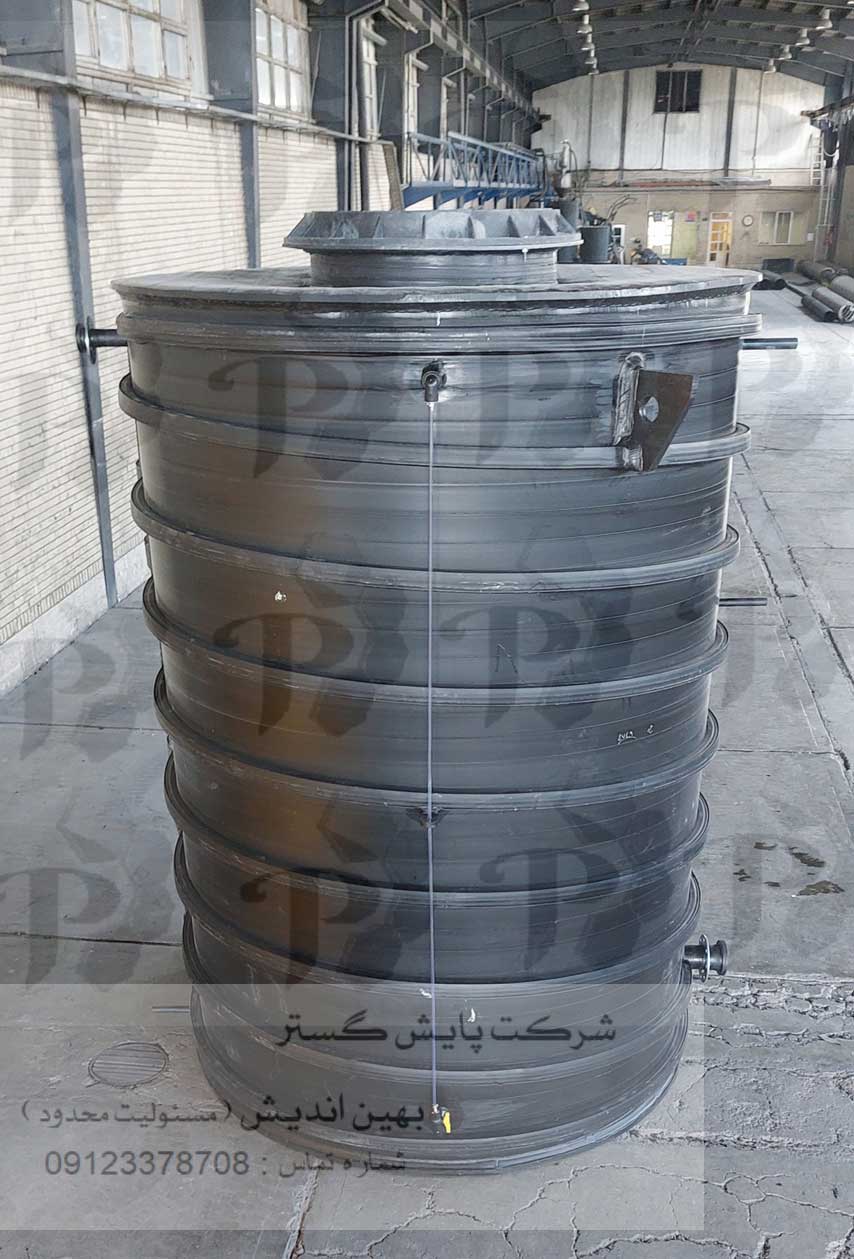
Main Components of the Vertical Septic Tank
Wastewater Inlet
The inlet must bring the wastewater flow into the tank without creating severe turbulence. An elbow or an internal diffuser can help reduce the flow velocity.
Settling Zone
Solids, waste, suspended particles, and part of the organic matter settle at the bottom of the tank and create the sludge layer.
Anaerobic Zone
In the oxygen-free space, anaerobic bacteria decompose part of the organic matter. This process causes a relative reduction in the sludge volume and the primary stabilization of the wastewater.
Scum Layer
Fat, oil, foam, and light materials collect at the surface of the tank. A suitable design of the baffles and outlet prevents these materials from entering the outlet route.
Effluent Outlet
The outlet draws from the middle zone of the tank so that the bottom sludge and surface fat are not transferred to the downstream system.
Inspection Manhole
The manhole is essential for inspection, sludge discharge, cleaning, and periodic servicing. In the vertical model, the design of the location and height of the manhole must be consistent with the installation conditions.
Vent
The vent discharges the gases resulting from anaerobic digestion, controls the internal pressure of the tank, and prevents odor from returning to the building.
What Projects Is the Vertical Septic Tank Suitable For?
The vertical septic tank can be considered for these uses:
- Villas and garden villas
- Residential buildings
- Urban projects with a limited area
- Small and medium office complexes
- Narrow plots
- Workshop projects
- Portable cabins and temporary complexes
- Buildings outside the sewer network
- Small service centers
- Light industrial uses
An Important Point in Executing a Vertical Septic Tank
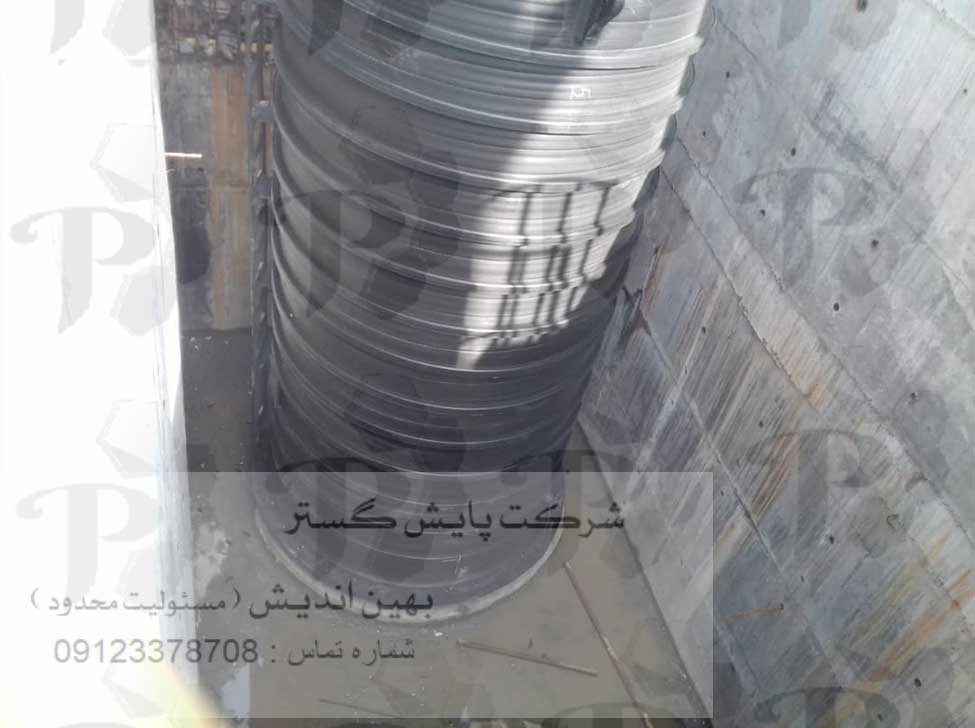
A vertical septic tank should not be chosen merely because of its smaller footprint. The greater depth of the tank and the concentration of the load in the upper part make reviewing the soil conditions, the excavation depth, the groundwater level, the surface loads, and the structural design more important.
In projects where there is traffic load, high soil load, or deep execution, the type of tank and the execution details must be reviewed technically. No tank should be installed under a vehicle traffic path without taking the structural design and execution conditions into account.
The Difference Between Vertical and Horizontal Septic Tanks
A vertical septic tank has a smaller footprint but needs a greater depth. A horizontal septic tank occupies a greater length but has a lower overall height.
The vertical model is usually chosen when the plot is narrow or the longitudinal space is limited. The horizontal model is more suitable for projects that have suitable longitudinal space, a higher capacity, or different execution conditions.
For further comparison, see the “Horizontal Polyethylene Septic Tank” page.
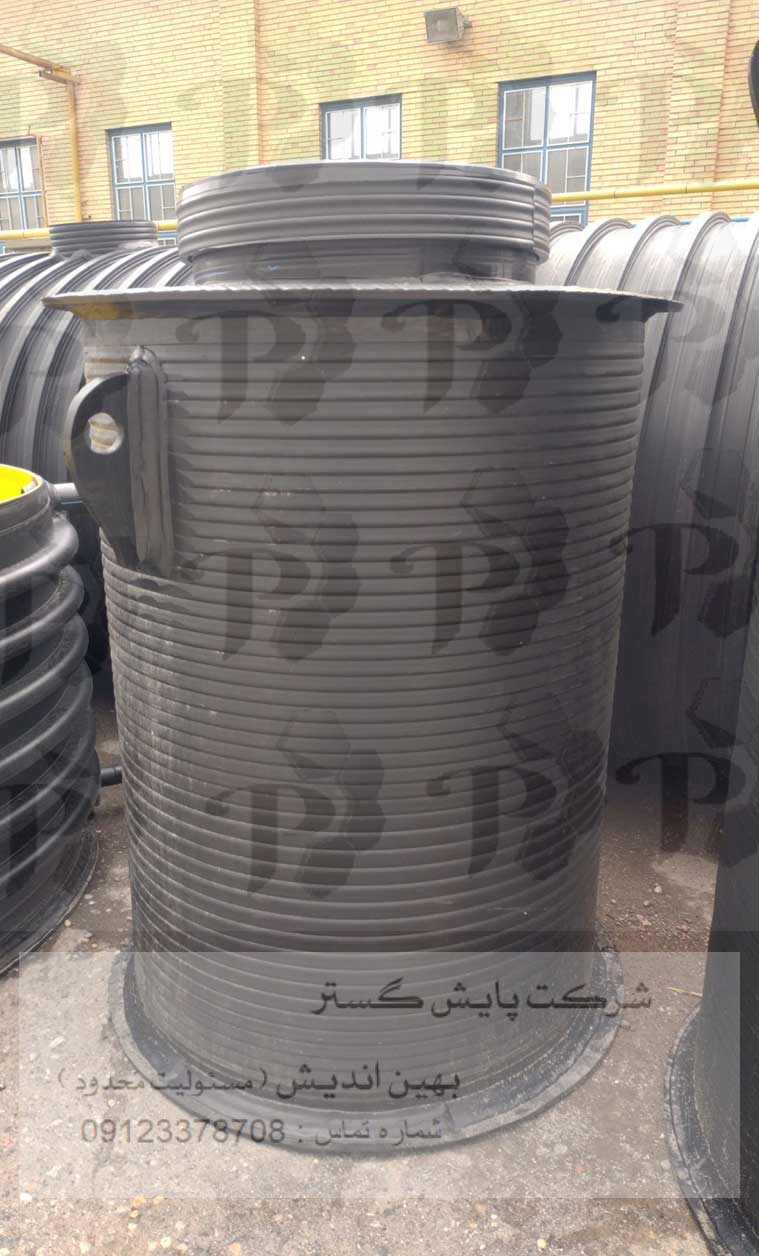
Vertical Septic Tank: Buried or Above-Ground?
The vertical septic tank can be executed as buried, semi-buried, or above-ground in suitable projects.
In buried execution, the soil pressure, the installation depth, the groundwater level, the surface loads, and the backfilling method must be reviewed.
In above-ground execution, the tank must be protected against sunlight, temperature changes, impact, and environmental conditions. A suitable base or chassis may also be needed.
How Is the Capacity of a Vertical Septic Tank Determined?
To determine the capacity of a vertical septic tank, the following factors are reviewed:
- The number of users
- The type of use of the building or complex
- The average and peak wastewater flow rate
- The sludge storage volume
- The required retention time
- The type of effluent
- The operating conditions
- The usable space
- The height or installation-depth limitations
- The effluent outlet route
- The need for supplementary treatment
The capacity should not be chosen based on the apparent dimensions of the tank alone. Designing a capacity below the real need causes a decline in performance, rapid filling of the tank, and an increase in the frequency of sludge discharge.
Price of the Vertical Polyethylene Septic Tank
The price of the vertical septic tank depends on the following factors:
- The tank volume
- The diameter and height of the septic tank
- The body type and manufacturing structure
- The number of manholes and inspection hatches
- The type of inlet and outlet
- The internal equipment and baffles
- The buried or above-ground conditions
- The need for a base, chassis, or structural execution
- The transport and installation conditions
- The height of the manholes
- The project type and the limitations of the execution site
To receive specialized consultation, a capacity review, and a price quote for the vertical polyethylene septic tank, get in touch with the experts at Poly Payesh.
Frequently Asked Questions About the Vertical Septic Tank
What is a vertical septic tank?
A vertical septic tank is a primary wastewater treatment tank that is designed in an upright form and is used for projects that have footprint limitations.
What locations is a vertical septic tank suitable for?
It can be considered for villas, urban buildings, narrow plots, workshop projects, and areas that do not have sufficient longitudinal space.
Is a vertical septic tank suitable for burial?
If the structural review, soil conditions, installation depth, and surface loads are considered, it can be executed as buried. However, buried execution must be consistent with the project’s technical plan.
Does a vertical septic tank perform complete treatment?
No. A septic tank performs only primary treatment, and to achieve a higher effluent quality, a wastewater treatment package or supplementary treatment may be needed.
What is the difference between a vertical and a horizontal septic tank?
The vertical model occupies less surface area but needs a greater depth. The horizontal model occupies a greater length but has a lower height and execution depth.