

The polyethylene septic tank is one of the most reliable and widely used primary wastewater treatment systems, used for collecting, settling, and reducing the pollution load of human and sanitary wastewater across a range of projects. Thanks to their high corrosion resistance, excellent watertightness, light weight, easy transport, and long service life, these tanks are now a suitable alternative to many concrete and metal septic tanks.
In many areas without access to a municipal sewage collection network, using a polyethylene septic tank is the first and most important stage of wastewater management. By reducing suspended solids, separating fats, and carrying out anaerobic processes, this system improves wastewater quality and prepares it for transfer to a soakaway well, the sewage network, or supplementary treatment systems.
How Does a Polyethylene Septic Tank Work?
The operation of a septic tank is based on a simple yet effective principle. After wastewater enters the tank, the flow velocity decreases, which causes solid materials to settle at the bottom of the tank. At the same time, fats and lightweight materials collect on the water surface, forming a layer called scum.
In the oxygen-free environment inside the tank, anaerobic bacteria break down part of the organic matter, reducing the volume of sludge and the pollution load. Finally, the semi-treated effluent exits from the middle section of the tank and is directed to the next stage for disposal or supplementary treatment.
It is important to note that a septic tank alone does not fully treat wastewater, and if higher effluent quality is required, a wastewater treatment package or other supplementary methods should be used.
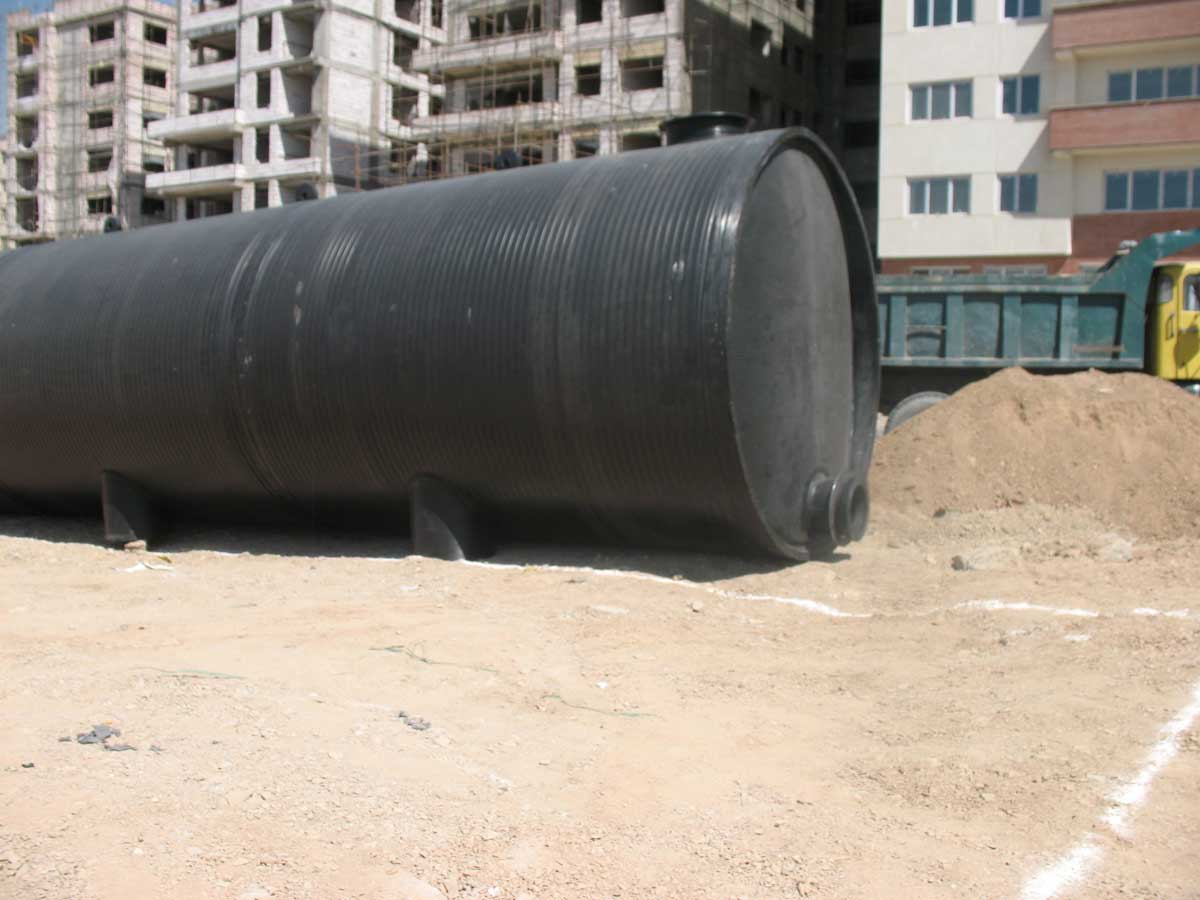
Why a Polyethylene Septic Tank?
Due to its suitable technical and mechanical properties, polyethylene is considered one of the best materials for manufacturing septic tanks.
The most important advantages of this product are:
- High resistance to corrosion and chemicals
- Complete watertightness and prevention of wastewater leakage
- Lighter weight compared to concrete tanks
- Easy transport and installation
- No rusting
- Long service life
- Low maintenance cost
- Availability in a variety of capacities
- Can be installed either buried or above ground
- Can be designed to suit the conditions of each project
Types of Polyethylene Septic Tanks
Polyethylene septic tanks are designed and manufactured in various models. The choice of each model depends on the project conditions, installation space, required capacity, soil type, groundwater level, and operational constraints.
Horizontal Polyethylene Septic Tank
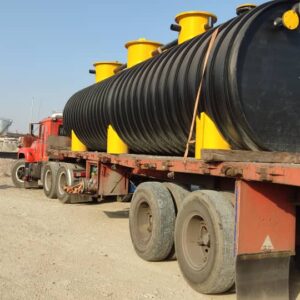
The horizontal septic tank is suitable for projects that have sufficient longitudinal space or require higher capacities. The horizontal design increases the settling path and is used in many residential, industrial, commercial, and civil projects.
For a complete overview of the specifications, advantages, capacities, and installation notes of this model, please read the “Horizontal Polyethylene Septic Tank” page.
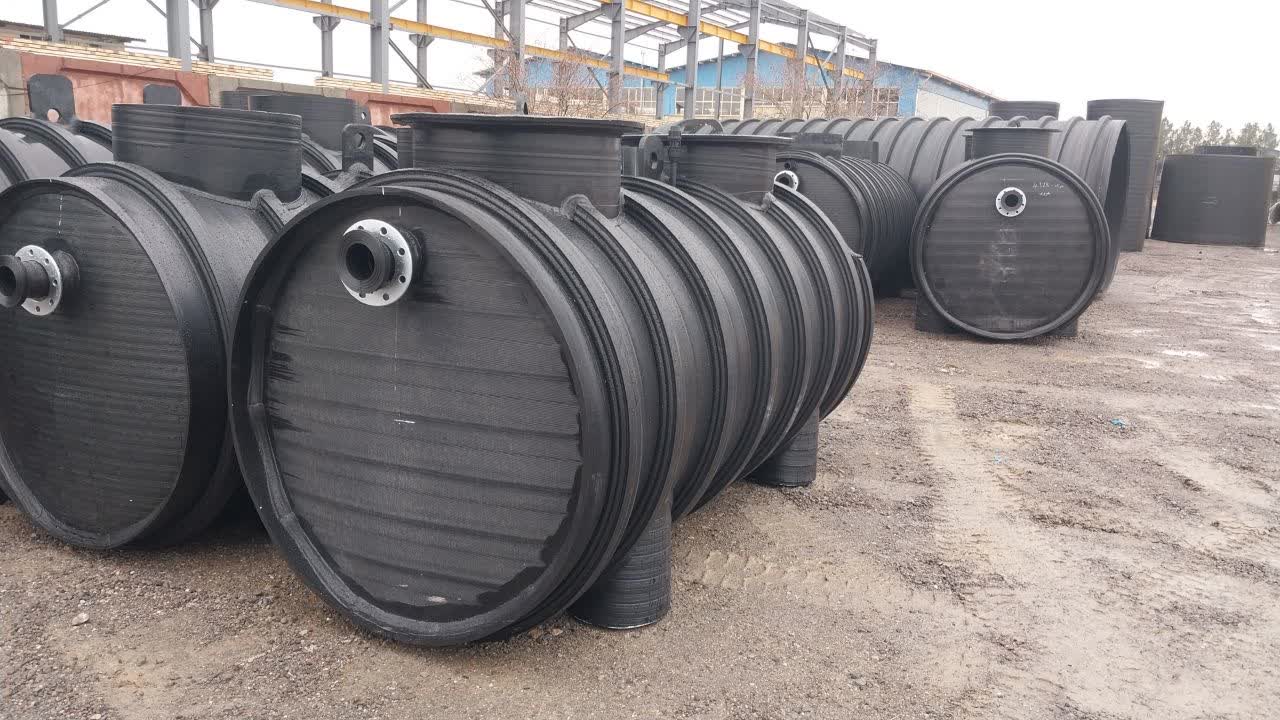
Vertical Polyethylene Septic Tank
In projects where there is a limitation on the footprint area, a vertical septic tank is a suitable choice. This model occupies less surface area but requires greater depth for installation.
Complete information about this model is provided on the “Vertical Polyethylene Septic Tank” page.
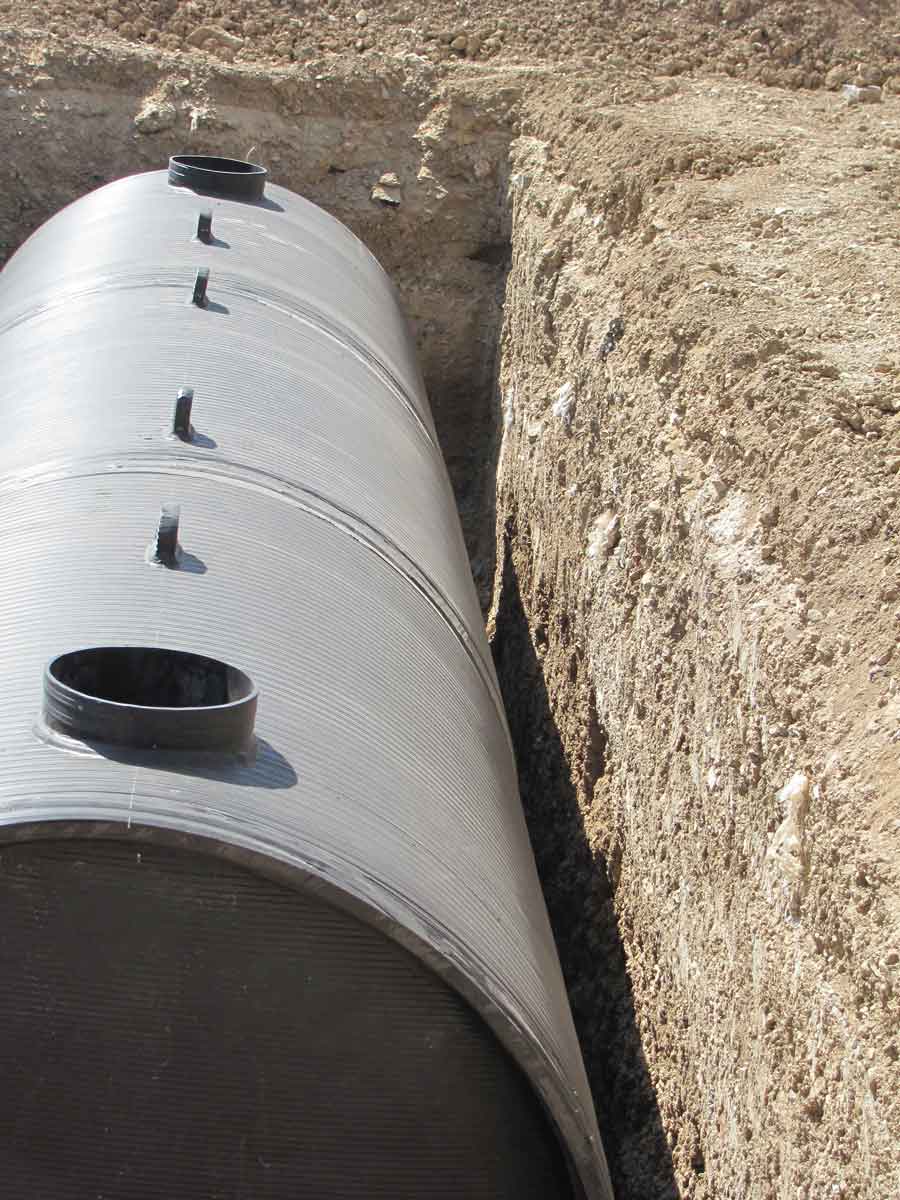
Buried Polyethylene Septic Tank
In many projects, the best option is to install the tank below ground level. In addition to keeping the site area free, this method protects the tank against many environmental factors. Of course, the design of this model must take into account soil conditions, burial depth, groundwater level, and the applied loads.
See the full details on the “Buried Polyethylene Septic Tank” page.
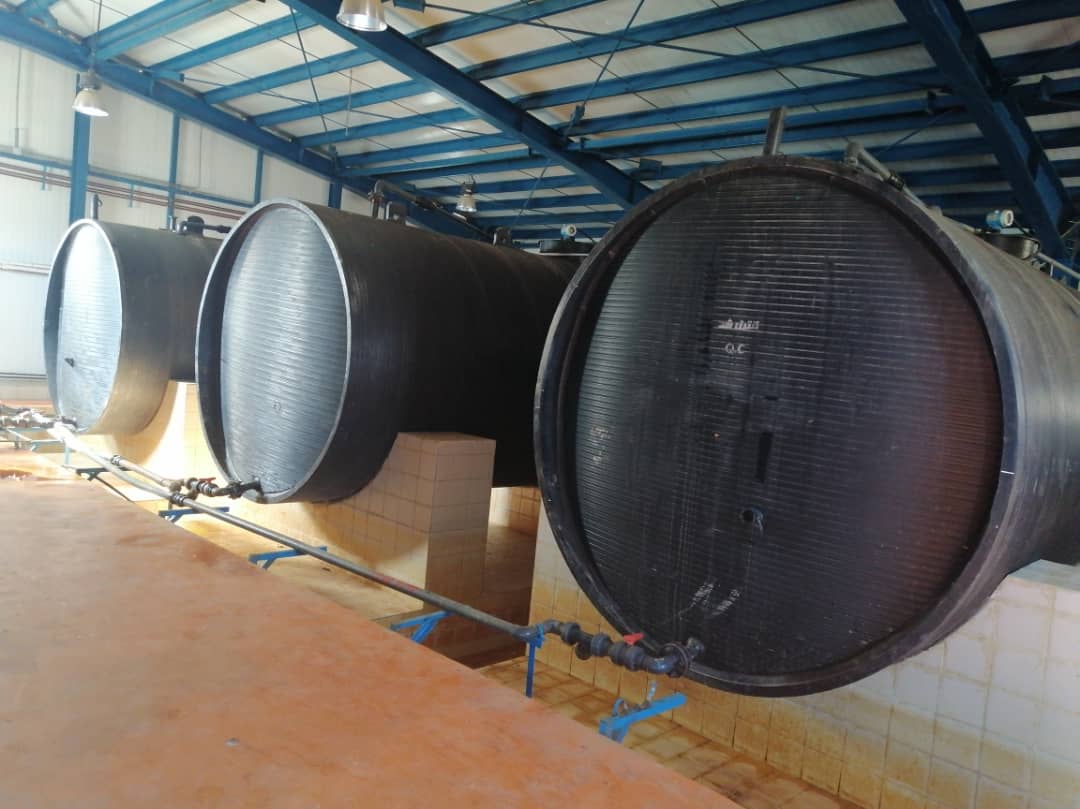
Above-Ground Polyethylene Septic Tank
In projects where excavation is not possible, the groundwater level is high, or the project is temporary in nature, using an above-ground septic tank is a suitable option. This model is installed above ground or semi-above ground and provides easier access for service and maintenance.
For more information, see the “Above-Ground Polyethylene Septic Tank” page.
How to Choose the Best Septic Tank?
Choosing the right septic tank is not limited to tank capacity alone. To achieve optimal performance, a set of technical factors must be reviewed, including:
- Number of users
- Volume of wastewater generated
- Type of project use
- Space available for installation
- Soil conditions
- Groundwater level
- Feasibility of excavation
- Method of effluent disposal
- Maintenance and sludge removal schedule
- Likelihood of future project expansion
Reviewing these factors ensures that the selected tank not only performs well but also reduces operating and maintenance costs.
Applications of Polyethylene Septic Tanks
This product is used in a wide range of projects, including:
- Villas and garden villas
- Residential complexes
- Office buildings
- Factories and industries
- Healthcare centers
- Schools and universities
- Hotels and tourism centers
- Worksite camps
- Mines
- Civil construction projects
- Buildings outside the municipal sewage network coverage
Factors Affecting the Price of a Polyethylene Septic Tank
The price of a polyethylene septic tank depends on various factors, and an exact price cannot be provided without reviewing the project conditions. The most important factors are:
- Tank capacity
- Type of design (horizontal or vertical)
- Whether it is buried or above ground
- Thickness and structure of the body
- Number of manholes
- Type of inlet and outlet
- Installation conditions
- Auxiliary equipment
- Project site location
- Transport and installation cost
Why Poly Payesh?
Drawing on technical knowledge, hands-on execution experience, and the capacity to manufacture all types of polyethylene septic tanks, Poly Payesh provides solutions tailored to the conditions of each project. In this company, product selection is not based solely on tank volume; rather, operating conditions, site characteristics, wastewater type, executional constraints, and the future needs of the project are all reviewed to recommend the most suitable option.
If you need guidance in choosing the right septic tank for your project, the experts at Poly Payesh are ready to review the technical conditions of your project and recommend the most suitable solution.
Frequently Asked Questions
What is a polyethylene septic tank?
A system for primary wastewater treatment that, by settling solids, separating fats, and anaerobically breaking down part of the organic matter, improves wastewater quality before it moves to the next stage.
Is a horizontal or a vertical septic tank better?
Neither has an absolute advantage. Choosing the right model depends on the installation space, the required capacity, soil conditions, and the project’s operational requirements.
Is a buried or an above-ground septic tank better?
This depends on the project conditions. If proper excavation is possible, the buried model is a suitable option; however, in projects with excavation limitations or a high groundwater level, the above-ground model may be a better choice.
How often should a septic tank be emptied?
The emptying interval depends on the tank capacity, the number of users, the type of wastewater, and the amount of sludge produced, and it should be determined based on a periodic service schedule.