

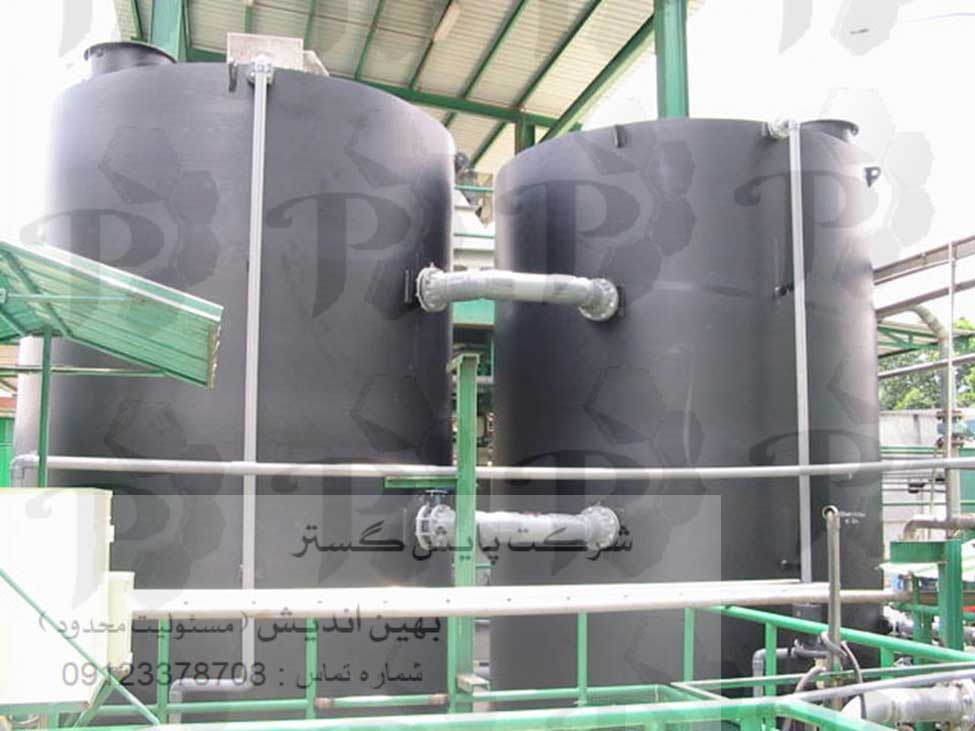
The above-ground polyethylene septic tank is a primary wastewater treatment system that, instead of being fully buried in the ground, is installed on the surface or semi-surface. This model is suitable for projects where excavation is difficult, the groundwater level is high, the ground is rocky, the project is temporary, or where quick access for operation and servicing is important.
In terms of its internal process, the above-ground septic tank performs the settling of solids, the separation of fat, and the anaerobic digestion of part of the organic matter. Its main difference from the buried model is in the placement method, the wastewater transfer system, the possible need for pumping, and protection of the body against environmental conditions.
Poly Payesh designs the above-ground septic tank according to the site level, the piping slope, the need for a pumping tank, the operating conditions, the sunlight, and the project space.
What Is an Above-Ground Septic Tank?
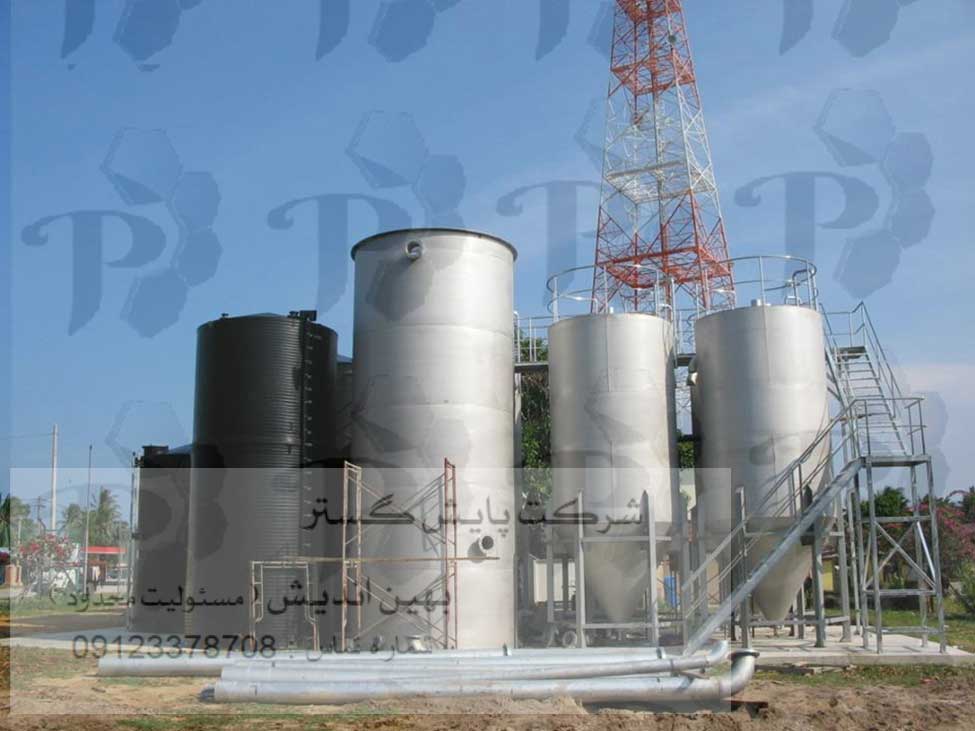
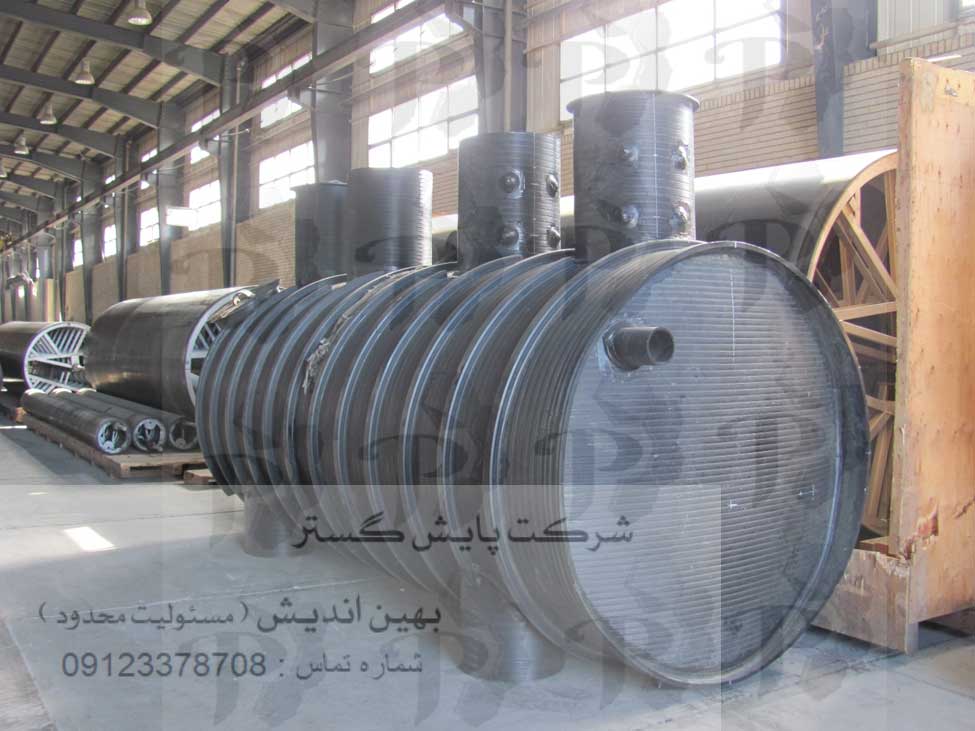
An above-ground septic tank is a tank that is installed on the ground surface or at a level close to the surface. This model can be horizontal or vertical and is usually used for projects where burying the tank is not suitable for execution, economic, or structural reasons.
In many above-ground projects, because the level of the incoming wastewater is lower than the tank’s inlet, a pumping station or a lift-station tank may be needed.
Therefore, designing an above-ground septic tank is not just about choosing the tank volume; rather, the design of the wastewater transfer route, the pump, the head, the electrical panel, the level control, and the manner of wastewater entry are also very important.
How Does an Above-Ground Septic Tank Work?
The internal process of the above-ground septic tank includes the following stages:
- Controlled entry of wastewater into the tank
- Reduction of the flow velocity
- Settling of solids at the bottom
- Formation of the sludge layer
- Accumulation of fat, oil, and light materials at the surface
- Anaerobic digestion of part of the organic matter
- Discharge of semi-treated effluent from the middle layer
- Discharge of the produced gases through the vent
This process reduces part of the settleable materials and the initial pollution load, but it is not sufficient for complete wastewater treatment.
Advantages of the Above-Ground Septic Tank
The above-ground septic tank has the following advantages in suitable projects:
- No need for deep excavation
- Suitable for rocky ground or ground with excavation limitations
- Suitable for areas with a high groundwater level
- Easier access for inspection and sludge discharge
- Suitable for temporary and workshop projects
- Faster installation in some projects
- The possibility of relocation or changing the installation site under certain conditions
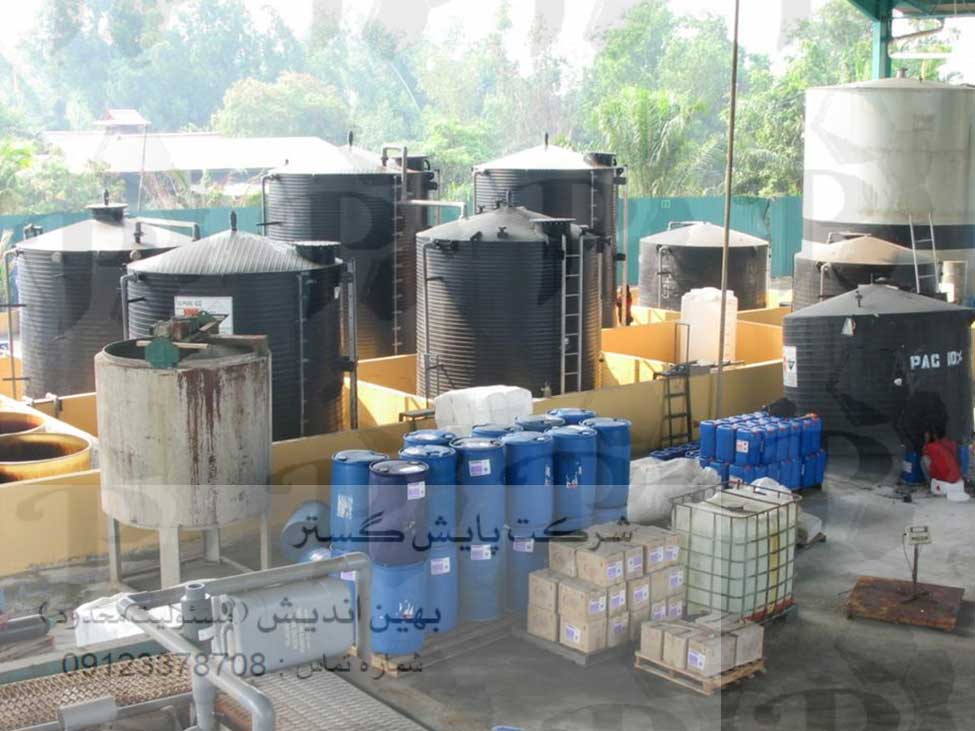
- Suitable for factories, industrial sites, and camps
- The possibility of installation in technical and utility areas
- No need for direct engagement with soil pressure in the surface-mounted model
- The ability to connect to a supplementary wastewater treatment package
The Wastewater Transfer System in the Above-Ground Septic Tank
One of the most important issues in designing an above-ground septic tank is the wastewater entry route.
If the wastewater outlet of the building or project is higher than the inlet of the septic tank, the wastewater can enter the tank by gravity.
But in many projects, the above-ground septic tank is located at a level higher than the sewer network. In these conditions, the wastewater first enters a pumping tank and is then transferred to the septic tank by a pump.
Gravity Wastewater Inflow
In gravity execution, the height difference, the pipe slope, the route length, and the possibility of sedimentation must be reviewed.
Too little slope can cause solids to settle and the pipe to clog. Too much slope may also cause the water to move quickly and the solids to remain in the route.
Therefore, the piping design must be done according to the flow rate, the pipe diameter, the type of wastewater, and the project level.
Pumping Tank and Lift Station
If gravity inflow is not possible, a wastewater pumping tank or a lift station is used.
In this system:
- The wastewater enters the pumping tank.
- The wastewater level is controlled by a float or a sensor.
- When the level reaches a specified point, the pump is activated.
- The wastewater is pumped to the above-ground septic tank.
- After the level decreases, the pump turns off.
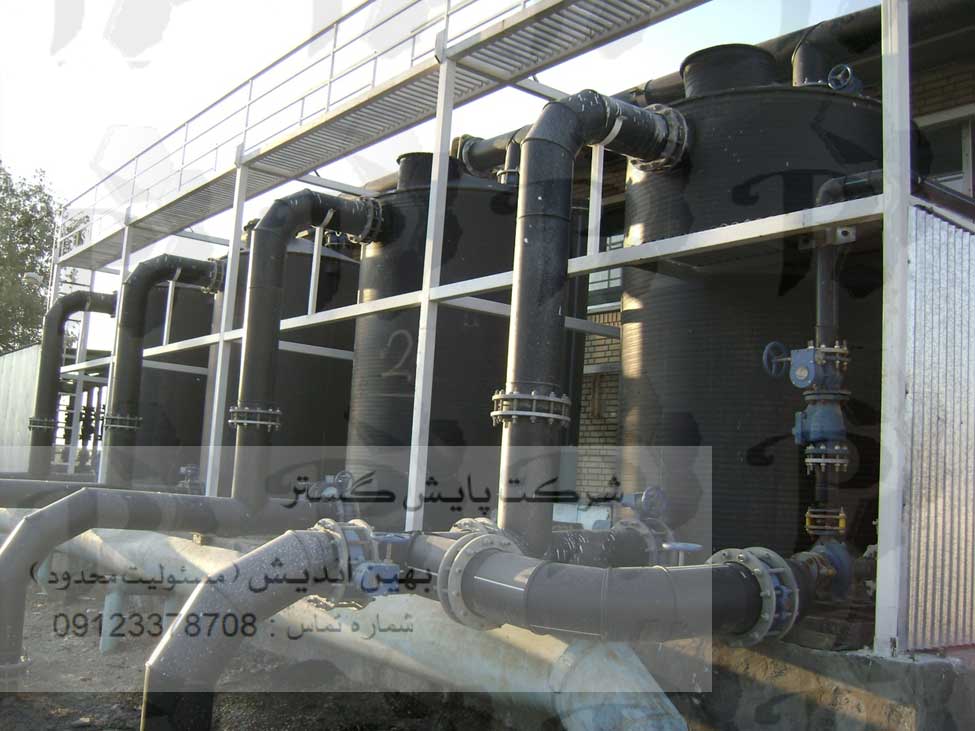
The main components of the pumping system can include the pumping tank, a submersible wastewater pump, an electrical panel, a float, a level sensor, a check valve (non-return valve), an isolation (gate) valve, and transfer piping.
Main Components of the Above-Ground Septic Tank
Main Tank
The body of the septic tank must be designed to suit the environmental and operating conditions. In the above-ground model, sunlight, temperature fluctuations, possible impact, and environmental conditions are more important.
Wastewater Inlet
The inlet must bring the flow into the tank in a controlled way to prevent turbulence and disruption of settling.
Settling Zone
This is the location where solids, waste, and particles heavier than water collect.
Anaerobic Zone
In this section, part of the organic matter is decomposed by anaerobic bacteria.
Fat and Scum Layer
Fat, oil, and light materials collect at the surface of the tank and must be discharged periodically.
Effluent Outlet
The outlet is selected from the middle layer of the tank so that sludge and fat are not transferred to the next stage.
Inspection Manhole
It is essential for sludge discharge, internal inspection, servicing, and maintenance.
Vent System
The vent discharges the produced gases, prevents an increase in internal pressure, and helps reduce odor.
Important Points for Installing an Above-Ground Septic Tank
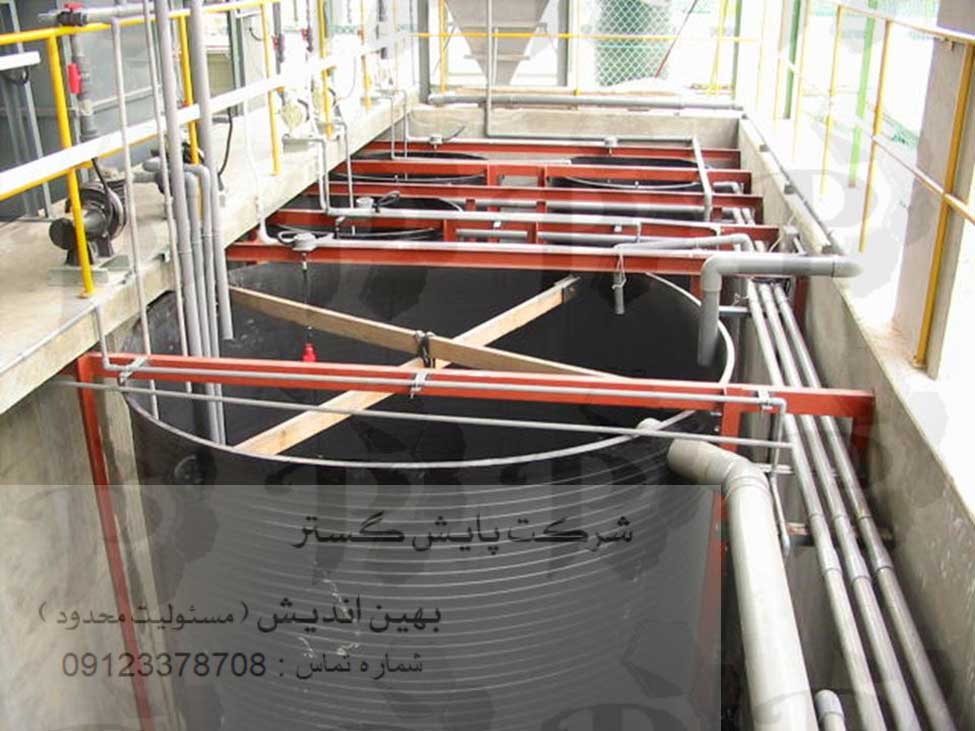
For surface or semi-surface installation, the following must be reviewed:
- Executing a completely level, stable surface
- Using a suitable foundation, base, or chassis if needed
- Preventing direct contact of the body with sharp objects
- Providing tank anchoring in windy or seismic areas
- Protecting the body against mechanical impact
- Reviewing direct sunlight and temperature conditions
- Providing a route for draining surface water
- Executing a suitable vent
- Easy access for servicing and sludge discharge
- Suitable design of the pumping tank if there is no gravity inflow
- Executing the electrical panel and pump protection system in projects with a lift station
What Projects Is the Above-Ground Septic Tank Suitable For?
- Factories and industrial sites
- Civil construction and workshop projects
- Temporary camps
- Mines
- Rocky ground
- Areas with a high groundwater level
- Temporary or relocatable projects
- Areas with excavation limitations
- Projects with easy access to a technical space
- Areas without the possibility of deep excavation
- Complexes that need faster servicing
The Difference Between Above-Ground and Buried Septic Tanks
In a buried septic tank, the tank is installed underground, and the soil pressure, the burial depth, the groundwater level, and the surface loads are important in the design.
In an above-ground septic tank, the tank is placed on the surface or near the ground surface and must mostly be protected against sunlight, temperature changes, impact, vibration, and environmental conditions.
Also, in the above-ground model, the likelihood of needing wastewater pumping is greater; because the tank’s inlet may be located at a higher level than the sewer network.
Capacity of the Above-Ground Septic Tank
The capacity of the above-ground septic tank is determined based on the following factors:
- The number of people or users
- The type of project
- The average and peak wastewater flow rate
- The type of wastewater
- The required retention time
- The sludge storage volume
- The pumping conditions
- The operating schedule
- The possibility of capacity expansion
- Connection to an absorption well (soakaway) or a supplementary treatment package
- The installation-space limitations
Price of the Above-Ground Septic Tank
The price of the above-ground septic tank depends on the following factors:
- The tank volume
- Whether it is horizontal or vertical
- The body structure type
- The need for a base or chassis
- The type of inlet and outlet
- The number of manholes
- The need for UV protection
- The need for a pumping tank
- The type of pump and the required head
- The electrical panel, float, and level control
- The length and diameter of the transfer piping
- The transport and installation conditions
- The need for a canopy or physical protection
- The need for supplementary treatment downstream
To receive specialized consultation, an execution-conditions review, and a price quote for the above-ground polyethylene septic tank, get in touch with the experts at Poly Payesh.
Frequently Asked Questions About the Above-Ground Septic Tank
What is an above-ground septic tank?
An above-ground septic tank is a tank for the primary treatment of wastewater that is installed on the surface or semi-surface and is suitable for projects with excavation limitations or a need for quick access.
Does an above-ground septic tank need a pump?
Not always. If the level of the wastewater outlet is higher than the tank’s inlet, gravity inflow is possible. But in many projects, a pumping tank and a wastewater pump are needed.
Is an above-ground septic tank resistant to sunlight?
The body and the installation site must be designed to suit the environmental conditions, UV radiation, and temperature changes. In some projects, using a cover, a canopy, or protective measures can be considered.
Does an above-ground septic tank perform complete treatment?
No. A septic tank performs only primary treatment, and to achieve a higher effluent quality, a wastewater treatment package and disinfection may be needed.
What projects is an above-ground septic tank suitable for?
It is suitable for factories, camps, mines, workshop sites, temporary projects, rocky ground, and areas with a high groundwater level.