

The polyethylene pipe is one of the most widely used pieces of fluid-transfer equipment in civil, industrial, agricultural, and urban projects. Thanks to its high strength, long service life, light weight, and easy installation, it has now replaced many metal, concrete, and PVC pipes. These pipes are used in the transfer of drinking water, water supply networks, sewage, drainage, effluent transfer, the oil and gas industry, mining, road construction, and many infrastructure projects.
With advances in polymer manufacturing technology, polyethylene pipes are designed and produced in various models, each meeting the specific needs of a project. For this reason, choosing the correct type of pipe has a direct impact on network performance, reducing maintenance costs, and increasing the system’s useful life.
How Is a Polyethylene Pipe Made?
Polyethylene pipe is produced from high-density polyethylene (HDPE) raw material. Due to its high mechanical strength, corrosion resistance, good flexibility, and resistance to chemicals, this material is considered one of the best options for manufacturing fluid-transfer pipes.
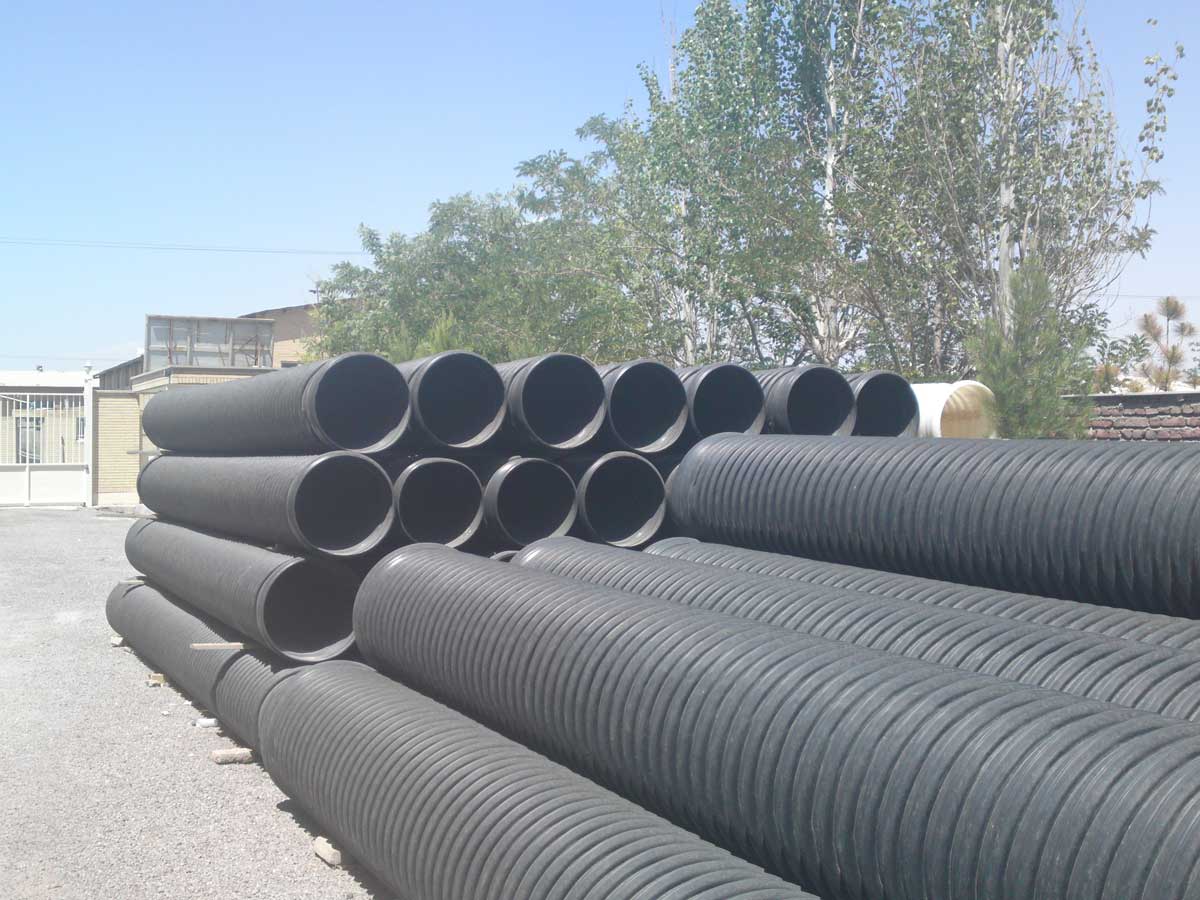
Depending on the application, these pipes can be produced as single-wall or double-wall. Single-wall pipes are mostly used for transferring pressurized fluids, whereas double-wall pipes are designed for sewage networks, drainage, and buried projects.
Why Polyethylene Pipe?
In recent years, the use of polyethylene pipes has grown considerably due to their numerous advantages. The most important advantages of these products are:
- High resistance to corrosion and rust
- Good chemical resistance
- Light weight and easy transport
- Fast and low-cost installation
- High flexibility
- Resistance to ground settlement
- Good watertightness
- Reduced repair and maintenance costs
- Long service life
- Available in various sizes and classes
Types of Polyethylene Pipes
Polyethylene pipes are produced in various models according to the type of project, working pressure, and installation conditions. Each of these products is designed for a specific application.
Single-Wall High-Pressure Polyethylene Pipe
This type of pipe is designed for transferring water and other pressurized fluids and has broad applications in urban water supply networks, water transmission lines, pressurized irrigation systems, industries, and agricultural projects.
For a complete overview of the technical specifications, pressure classes, sizes, and applications of this product, please read the “Single-Wall High-Pressure Polyethylene Pipe” page.
Double-Wall Corrugated Polyethylene Pipe
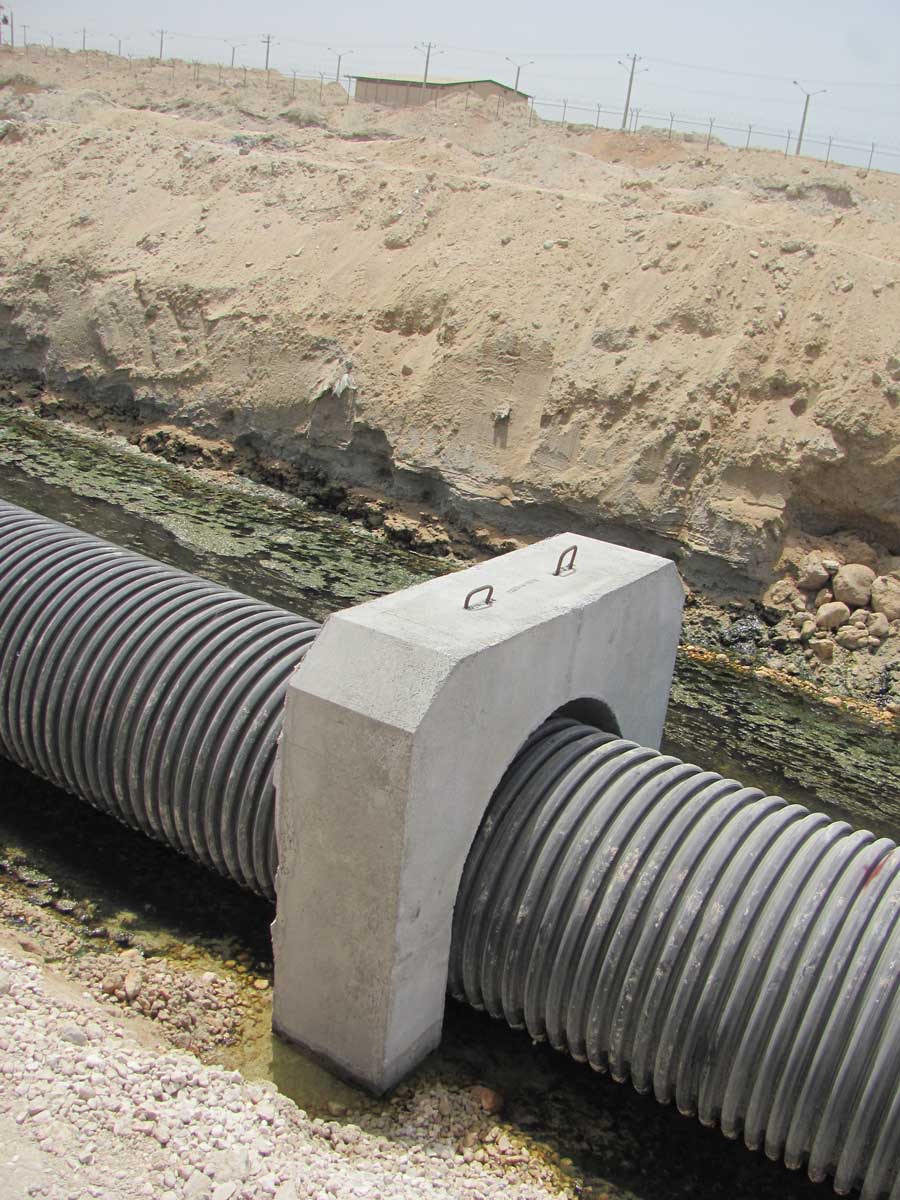
The corrugated pipe, with its corrugated outer body and smooth inner surface, is one of the most common options for implementing sewage collection networks, directing surface water, and underground projects. This structure increases mechanical strength and improves hydraulic performance.
Complete information about this product is provided on the “Double-Wall Corrugated Polyethylene Pipe” page.
Double-Wall Spiral Polyethylene Pipe
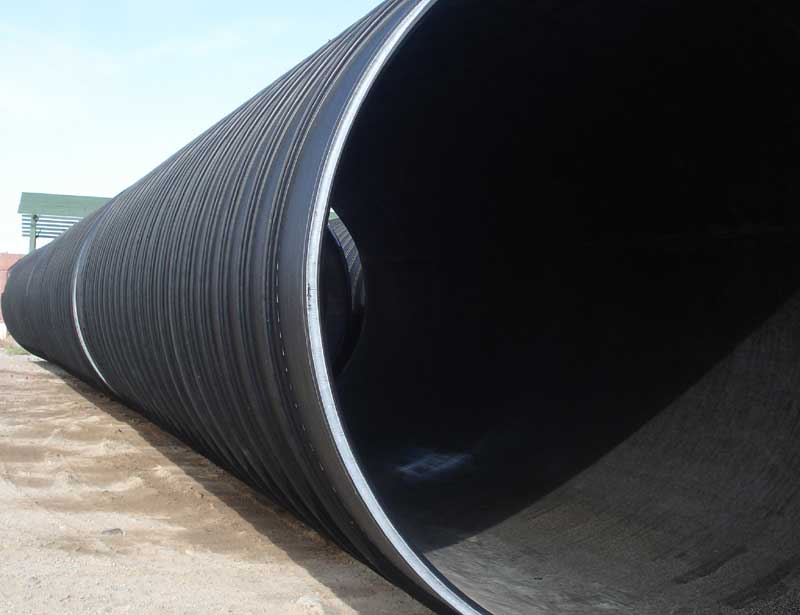
The spiral pipe is designed for projects that require large diameters and high strength. This product is typically used in main sewage lines, treatment plants, infrastructure projects, and the transfer of large volumes of fluid.
For more information, see the “Double-Wall Spiral Polyethylene Pipe” page.
Double-Wall Carrytube Polyethylene Pipe
With its corrugated body and smooth inner surface, this product, in addition to high resistance to soil pressure and traffic loads, also provides uniform fluid flow. This pipe is used in urban sewage projects, cable ducting, road construction, industries, and civil construction projects.
The complete specifications of this product can be viewed on the “Double-Wall Carrytube Polyethylene Pipe” page.
Polyethylene Drainage Pipe
The drainage pipe is designed for collecting and directing subsurface water and controlling soil moisture. This product plays a very important role in managing excess water in agricultural, building, road construction, tunnel, retaining wall, landscaping, and green-space projects.
For more information, please read the “Polyethylene Drainage Pipe” page.
How to Choose the Best Polyethylene Pipe?
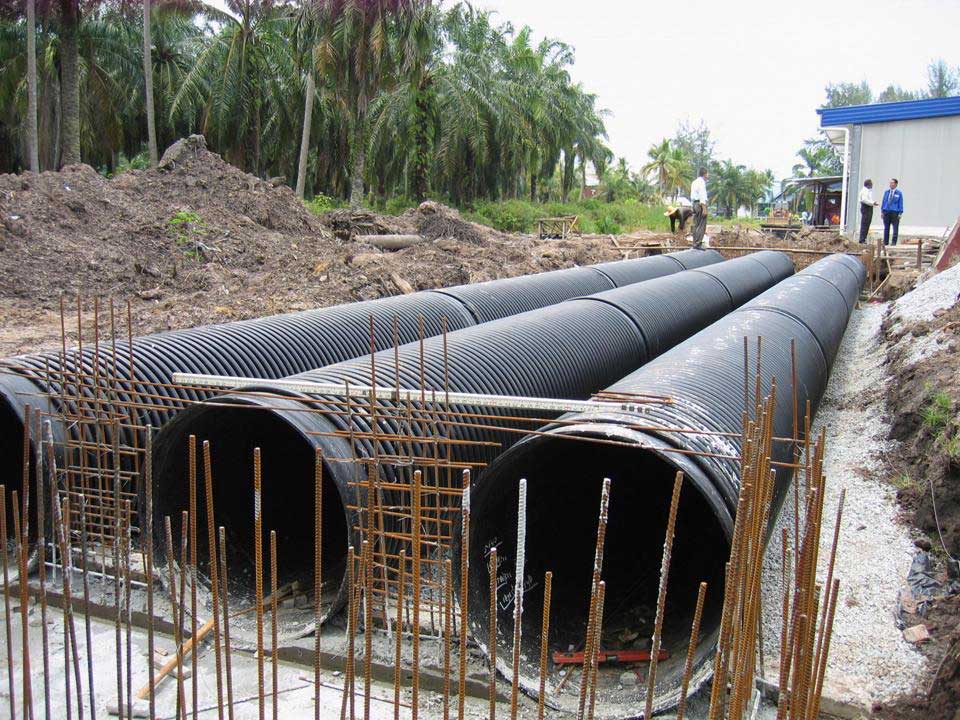
Choosing the right polyethylene pipe is not limited to its diameter or price alone. To achieve the best performance, various factors must be reviewed, including:
- Type of fluid
- Working pressure
- Flow rate
- Environmental conditions
- Soil type
- Burial depth
- Applied loads
- Installation conditions
- Length of the transfer route
- Standards required by the project
Reviewing these factors ensures that the selected product not only performs well but also minimizes maintenance and repair costs.
Applications of Polyethylene Pipe
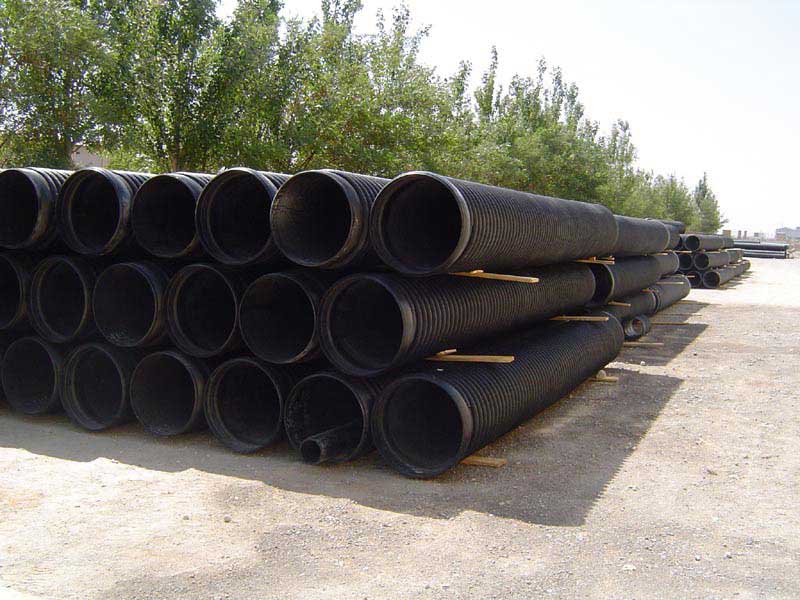
Polyethylene pipes are used in a wide range of projects, including:
- Urban water supply networks
- Water transmission lines
- Pressurized irrigation systems
- Sewage collection networks
- Industrial effluent transfer
- Drainage projects
- Road construction and highways
- Tunnels and metros
- Oil, gas, and petrochemical industries
- Mines
- Civil construction and infrastructure projects
- Protection of power and telecommunication cables
Factors Affecting the Price of Polyethylene Pipe
The price of polyethylene pipe depends on various factors, and an exact price cannot be provided without reviewing the project specifications. The most important factors are:
- Type of pipe
- Diameter
- Thickness
- Pressure class (PN)
- Ring stiffness (SN)
- Type of raw material
- Type of connection
- Order length
- Project conditions
- Transport cost
Why Poly Payesh?
Drawing on experience, technical knowledge, and cooperation with reputable manufacturers, Poly Payesh supplies all types of polyethylene pipes tailored to the needs of civil, industrial, agricultural, and urban projects. In this company, product selection is not based solely on size or price; rather, the execution conditions, project type, working pressure, and technical requirements are also reviewed to recommend the most suitable option to the customer.
Frequently Asked Questions
What is a polyethylene pipe?
A polymer pipe made of high-density polyethylene (HDPE) that is used to transfer water, sewage, industrial fluids, and drainage.
What is the difference between single-wall and double-wall pipes?
Single-wall pipe is suitable for transferring pressurized fluids, whereas double-wall pipes are mostly designed for sewage, drainage, and buried projects.
Is corrugated or spiral better?
The choice between these two products depends on the type of project, the required diameter, the load level, and the execution conditions.
What is a drainage pipe used for?
This pipe is used for collecting and directing subsurface water, controlling soil moisture, and increasing the stability of structures.